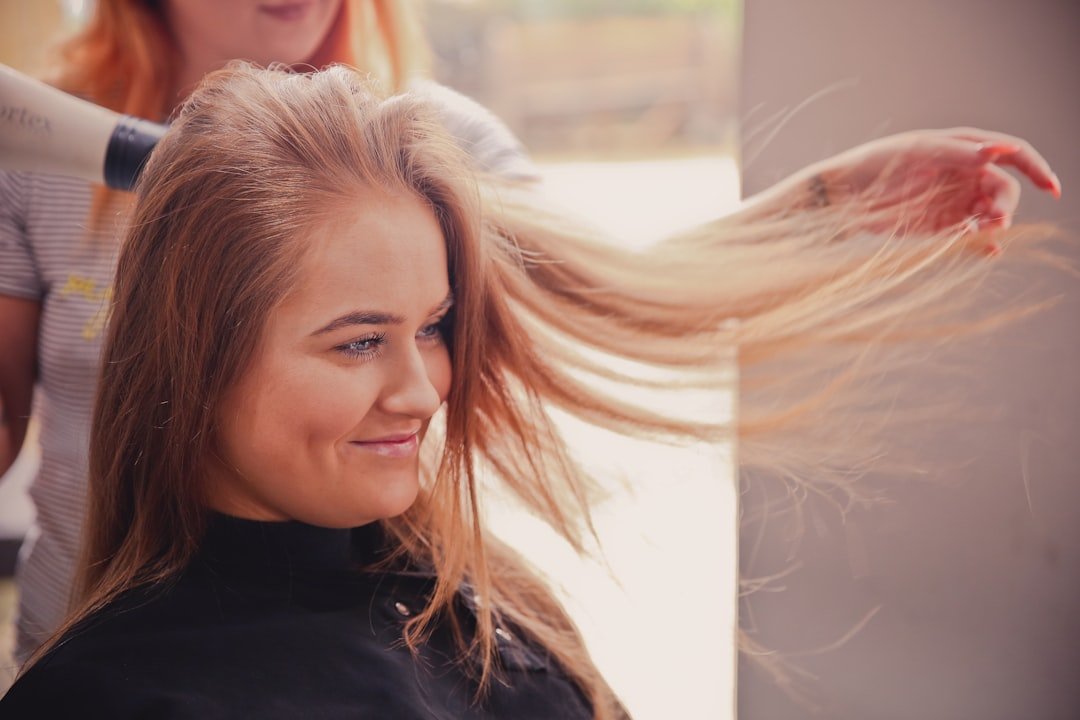
Hair color banding is the visible line or shift that appears when roots, mid-lengths and ends do not take color the same way. Sometimes the difference is subtle in indoor light and obvious beside a window; sometimes it looks like a dark belt through the middle of the hair.
Banding usually has a history. Old permanent color, repeated root touch-ups, previous highlights and uneven porosity can all create sections that respond differently to the next service.
The root is new hair; the mid-length is history
Natural roots may lift or darken predictably because they have not been processed before. Mid-lengths can contain several rounds of color. Ends may be lighter and more porous. Treating all three zones with one formula can therefore produce three different results.
This is especially common when permanent color has been pulled through the lengths at every root appointment.
Overlapping color can make a dark band
If a root formula repeatedly overlaps the previous application, the overlap area may become denser and darker. Later lightening can expose that buildup as a stubborn band.
Show your colorist how far you usually apply home color and how often you refresh the whole length.
Light bands have a different story
Old highlights, sun-lightened ends or a previous correction can leave sections with less pigment. Those zones may brighten faster or absorb toner differently.
Photographs from earlier color stages can help explain where those lighter areas came from.
Correction should start with diagnosis
Do not assume every band needs bleach or every uneven section needs more dark color. The colorist needs to identify what pigment is present, how strong the hair feels and which zones are most porous.
Use the Stylist Brief to note old root color, highlights and home products before the consultation.
Banding is rarely random. Once the history of each zone is understood, the correction plan can be built around the actual pigment instead of guessing from the surface.
Why a strand test can change the plan
A small test section can reveal whether a darker band lifts slowly, whether porous ends grab tone or whether the hair can tolerate the intended correction. That information may change the order of services or the target for the first appointment.
If the safest result is a staged correction, ask what the hair can look like between sessions. A good plan includes a wearable midpoint, not only the final reference photo.
Preventing new bands
Once the color is even, future maintenance should respect the zones. Root-only application, gentler refreshes on the ends and accurate timing can help prevent the correction from becoming a cycle.
Banding is easiest to understand when you map the timeline
Think of the hair as a record of previous appointments. The first inch may be untouched regrowth, the next few inches may have one permanent formula, and the lower lengths may contain older dark dye, highlights or lightener. When those histories overlap, the visible stripes are often a timeline problem rather than a single bad shade.
Write down roughly when major color changes happened, even if you cannot remember exact formulas. “Dark box dye last winter, highlights in spring, gloss twice since then” is more useful than saying the hair has been colored “a lot.”
Correction may require different jobs on different sections
A dark band may need controlled removal, while a lighter porous section may need deposit and protection. Treating both areas with the same formula can move one section closer to the goal and the other farther away. That is why color correction is often slower than applying one all-over shade.
Use the hair-color decision guide to clarify the end result you actually want before correction begins. A realistic target matters because the safest route to medium brunette is different from the route back to very light blonde.
Preventing new bands matters as much as fixing old ones
Once the visible problem is improved, ask how future root applications will be kept off the previously colored lengths. Precise retouch placement, separate refresh formulas and honest maintenance intervals can stop the same pattern from returning. A correction is more successful when it changes the process as well as the color.
Photograph banding in neutral light
Color bands can disappear under warm salon lighting and look stronger beside a window. Before a correction appointment, take one photo in indirect daylight with the hair down and another with the section lifted. That helps show where the transition begins and whether the difference is depth, warmth or both.
Do not chase one dark band with repeated all-over color
Adding another permanent shade from roots to ends can temporarily make the hair look more uniform, but it can also add more pigment to sections that were already too dark. That may make a later correction harder.
If the uneven area is the real problem, ask whether it can be treated selectively rather than coating the entire head again.
Porous ends may need less, not more, processing
Ends that have been lightened or colored many times can absorb tone differently from healthier roots. A section that looks faded may not need the same product or timing as the darker middle band.
The American Academy of Dermatology recommends steps to reduce damage from coloring and other chemical services. Its hair-coloring guidance is useful background when repeated processing is part of the history.
Ask what the first correction appointment is realistically meant to achieve
A safe first session may be designed to reduce contrast rather than create the final shade immediately. Ask what should look better after that visit, what will remain uneven and what condition the hair needs to be in before another step is attempted.
A staged plan is easier to evaluate when each appointment has a clear purpose instead of promising a complete reset in one day. Ask the colorist to explain which zones are being corrected first and which sections are being deliberately left alone. That makes the correction easier to understand and easier to maintain afterward.
Featured image: Photo by Theme Photos on Unsplash.