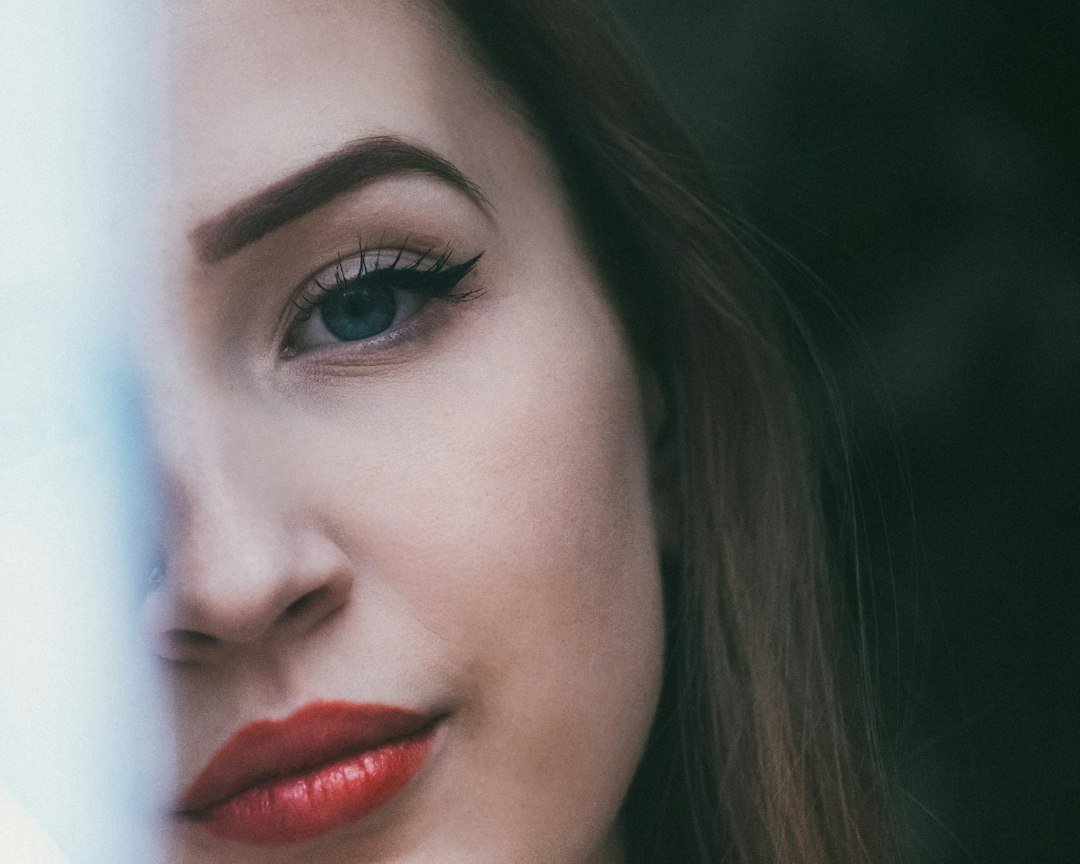
A base can look seamless in a warm bathroom mirror and suddenly appear thick beside a window. That is not always because you applied too much; lighting changes how texture, shine and color contrast are revealed.
Good makeup does not need to look identical in every environment, but checking one second light source can prevent obvious surprises.
Warm indoor light softens color differences
Yellow or warm bulbs can make redness look quieter and may hide a foundation shade that is slightly too warm. They can also make bronzer and blush appear softer than they do outside.
Natural daylight is less forgiving but often more useful for checking undertone.
Overhead light exaggerates texture
Strong light from above creates shadows under pores, fine lines and under-eye areas. Adding more base to eliminate those shadows can make the makeup heavier without changing the lighting effect.
Step back from the mirror before deciding something needs more coverage.
Use a window check, not a window performance
You do not need to apply your whole face in daylight. Simply look at the finished base near a window for shade match, unblended edges and powder buildup.
If the makeup is for evening, check it once under the kind of indoor lighting you expect as well.
Keep correction local
A minimal base often survives lighting changes better because there is less product sitting on the skin. Correct the areas you care about and let normal skin variation remain visible.
That approach also fits the more skin-focused makeup direction seen in recent seasonal beauty coverage.
Use lighting as information, not as a demand for perfection. The goal is a face that still looks like skin when the room changes.
The same restraint is useful in a skin-first routine; see the bare-looking skin guide for ways to keep complexion work polished without building heavy coverage.
Phone cameras can mislead too
Automatic exposure, portrait mode and screen brightness can make base makeup look smoother or warmer than it does in person. Use the camera as another check, not the final judge.
Match the check to where you are going
If you are getting ready for an office, look once under cool indoor light. If the event is outdoors, daylight matters more. If it is evening, check flash only if you know photographs are important to you.
There is no single perfect lighting setup. The useful habit is seeing the makeup in at least one environment beyond the mirror where you applied it.
Outdoor light exposes contrast more honestly
Foundation that appears seamless under warm bathroom bulbs can look heavier outside because daylight shows the difference between covered and uncovered areas more clearly. That does not mean makeup must be invisible in direct sun; it means the transition at the jaw, hairline and around spot-concealed areas needs to be deliberate.
If the base looks too dense outdoors, first reduce product in the outer face rather than changing the shade immediately. A lighter layer can solve the problem without losing the correction you wanted through the center.
Car mirrors are useful—and unusually unforgiving
Side light through a car window emphasizes pores, facial hair and dry patches that softer indoor light hides. Use that information constructively. If one patch repeatedly catches the light, adjust prep or application there; do not assume the whole face needs to be redone.
For a lighter base strategy, our bare-looking skin guide focuses on keeping polish without covering every variation.
Photography can make normal texture look like a problem
Phone cameras add sharpening, HDR and contrast that can exaggerate makeup edges. A close-up selfie is not always a fair representation of how the base looks at conversation distance. Check the makeup in a normal mirror, natural light and one representative photo rather than optimizing for a single camera mode.
Match the finish to the environment that matters most
If you work under office fluorescents all day, that light deserves more weight than a five-minute outdoor check. If the makeup is for a daytime event, daylight matters more. There is no universal “correct” lighting; the useful test is the setting in which people will actually see you.
Featured image: Photo by Zizi zi on Unsplash.