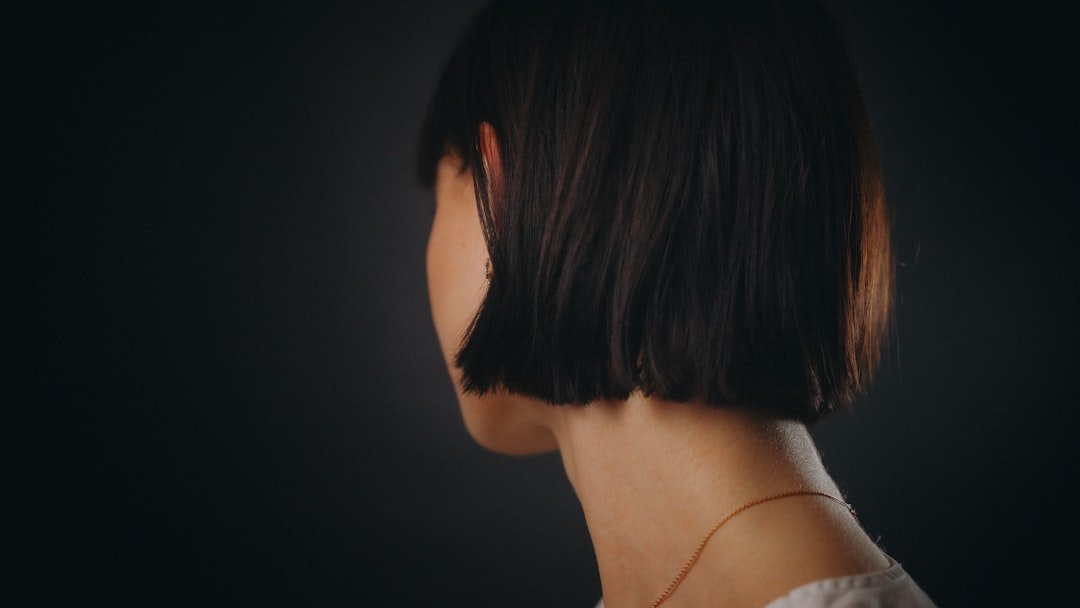
A short haircut can look perfectly smooth through the crown and still refuse to lie flat at the nape. The reason is often a strong growth pattern: hair turns sideways, spirals, splits or points upward exactly where the cut is shortest.
Cutting that area even shorter is not always the solution. Depending on the direction of growth, extra-short length can make the cowlick more visible.
Look at the nape before the hair is wet
Ask the stylist to check the back while the hair is dry and sitting naturally. Once it is saturated and combed flat, the true direction can be harder to see.
A photo taken at home after an ordinary wash can also show where the back separates without salon styling.
Some cowlicks need weight; others need a cleaner taper
If the hair springs upward, leaving a little more length may help it settle. If the growth lies strongly sideways, a carefully designed taper can look cleaner than trying to force a straight-down perimeter.
The correct choice depends on density, neckline and how short you want the cut overall.
A crisp neckline may need more frequent upkeep
Very precise napes show growth quickly, especially when the direction is irregular. A softer natural edge can sometimes grow out with less obvious disruption.
That is a maintenance decision as much as a style decision.
Make the back part of the haircut consultation
Most inspiration photos focus on the front. If your nape is difficult, bring a back-view reference too and mention the cowlick before cutting begins.
The Style Finder can narrow short-hair directions by maintenance and styling time, but the final nape plan should be made with the growth pattern visible in person.
A nape cowlick is not something the haircut has to erase. The best short cut uses enough length, taper or softness that the growth pattern looks deliberate instead of unruly.
What not to do at home
Repeatedly shaving or trimming only the piece that sticks up can create a shorter patch that grows back even more noticeably. If the area bothers you between appointments, use a small amount of styling product or a low-heat dryer rather than changing the haircut one section at a time.
Check collars and scarves
Clothing can push short nape hair upward and make a mild cowlick look stronger. If the problem appears mainly after wearing a coat or high collar, the haircut may be fine; the contact point is simply changing the direction during the day.
The same cowlick can behave differently at different lengths
Very short hair may stand straight up because there is not enough weight to redirect the growth pattern. A little more length can help it lie down—or create a new flip if the bend hits the collar. That is why the solution is not automatically “cut it shorter.” The stylist needs to see where the hair wants to move at its current length.
If the cowlick has caused problems in previous short cuts, bring a photo from two or three weeks after the appointment. The grown-out behavior can be more informative than the freshly styled salon finish.
Choose the neckline around maintenance tolerance
A skin-close taper can control a difficult nape beautifully, but it usually needs frequent cleanup. A softer natural neckline may grow out more gradually even if it is less graphic on day one. Neither is universally better; the choice depends on how often you want to return.
Use the Style Finder to compare shorter shapes with your maintenance preferences before committing to a highly precise back.
Check the nape without product before leaving
Strong paste or hairspray can temporarily force the cowlick into place. Ask to see how the back sits with minimal product, especially if you do not style it every morning. The cut should do most of the work; product should refine the result rather than conceal a section that will spring up as soon as you wash it.
Featured image: Photo by Viktor Bystrov on Unsplash.