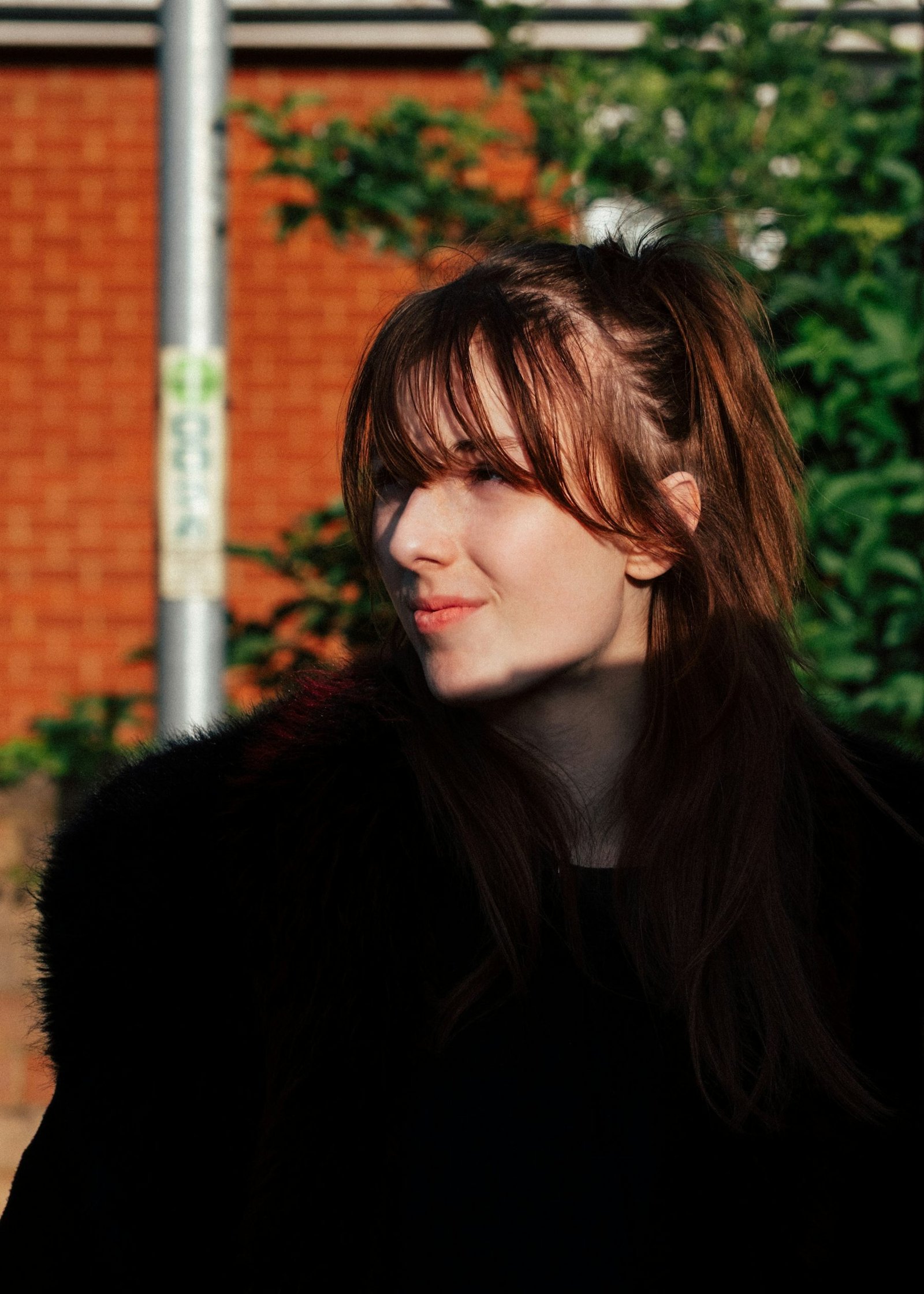
Wispy bangs have a way of looking as though they simply happened. They sit lightly across the forehead, separate naturally and soften a haircut without creating the solid line of a heavier fringe.
That ease is part of the appeal of so-called cloud bangs, one of the softer fringe directions appearing in fall 2026 hair coverage. Allure’s fall hair report highlights wispy cloud bangs among the season’s more comfortable, low-pressure changes.
The important word is softer, not maintenance-free. A light fringe can be more forgiving than a blunt one, but it still lives at the front of your face, where oil, humidity, cowlicks and trimming become very visible.
Cloud bangs are less about one exact length than one overall effect
The look usually relies on a fine, airy perimeter rather than a thick curtain of hair. Some versions skim the brows. Others separate through the middle or taper into longer pieces at the temples. The common thread is movement and negative space—you should still see forehead between sections.
That means density matters. Someone with very thick hair may need a deliberately small fringe section to keep the result light. Someone with fine hair may need to protect density through the front instead of removing too much.
Your hairline has more influence than the inspiration photo
A strong cowlick can push a fringe upward or split it in a place you did not choose. A widow’s peak can change how short center pieces sit. Curly and coily textures may shrink considerably once dry.
None of this rules out wispy bangs. It simply changes the cutting plan.
Show your stylist how the front of your hair behaves without being freshly blow-dried. That information is more useful than arriving with the fringe already flattened into submission.
“Wispy” can become “stringy” when the section is wrong
There is a fine line between intentionally separated bangs and a fringe that looks sparse in a way you did not want.
On fine hair, taking too much hair out of the fringe area can leave the rest of the front looking thinner. On dense hair, cutting a large triangular section and then heavily thinning it may create short pieces that are harder to control.
The goal is usually to build lightness from the section size and shape first, then refine the ends carefully.
Oil shows faster on bangs than almost anywhere else
Bangs sit against the forehead, absorb skincare and are touched more often than the rest of the hair. That means they may need refreshing even when the rest of your hair does not.
Some people rinse just the fringe in the morning. Others use a small amount of dry shampoo before the bangs look oily rather than after. The best method depends on your scalp and styling routine, but it is worth planning for this before cutting.
Air-dried cloud bangs and blow-dried cloud bangs are not the same thing
If the reference photo shows airy curved pieces, there was probably some shaping involved—even if the final result looks casual.
A small brush, a blow-dryer directed from side to side, or a quick bend with a suitable styling tool can help the fringe sit softly instead of separating into a hard center split.
People with natural wave or curl may prefer to style the fringe within that texture rather than smoothing it straight. That can produce a softer, more believable result than trying to force one texture at the front and another through the rest of the haircut.
Longer temple pieces make the grow-out easier
A fringe that gradually lengthens toward the sides has an escape route. As the shortest pieces grow, they can blend into the longer face-framing sections instead of becoming an isolated shelf across the forehead.
This is useful if you enjoy changing your hair often or know that you lose patience with regular trims.
For a broader decision framework, the StyleVeya haircut guide can help you compare texture, density and routine before making the cut.
Cloud bangs and baby bangs create completely different commitments
Both are fringes, but the experience is not the same. Baby bangs make a clear statement because the short length is intentional and exposed. Cloud bangs are designed to look softer and can usually merge into the rest of the haircut more easily.
If you are comparing the two, read the maintenance reality of baby bangs before deciding which version fits your routine better.
Humidity can change the whole picture
Shorter front pieces respond quickly to moisture in the air. Straight hair may bend. Wavy hair may become more textured. Curly hair may shrink upward. Products can help, but they cannot completely rewrite the climate.
If your bangs only look right after being stretched smooth, consider whether you are comfortable repeating that process during humid months.
How often will they need trimming?
There is no universal schedule because growth rate, starting length and tolerance all differ. The shorter and more exact the fringe, the sooner a few millimeters become noticeable.
Wispy bangs can be slightly more forgiving because the edge is not meant to form one rigid line, but once they start sitting in your eyes or losing the intended separation, they need attention.
What to tell your stylist
Useful information includes how you part your hair, whether you wear glasses, how often you exercise, whether you air-dry, and whether you are willing to restyle the front every morning.
Also say what you do not want. “I want to see some forehead,” “I do not want a heavy triangular section,” or “I need the sides long enough to tuck away” can be clearer than repeating a trend name.
When cloud bangs make sense
They can be a good choice when you want a visible haircut change without removing much overall length, like soft movement around the eyes, and do not mind a little daily attention at the front.
They may be less satisfying if you strongly dislike hair touching your face, sweat heavily around the forehead, or want a fringe that can be completely ignored for months.
The best version should still look like your hair
The most convincing fringe is not the one that copies the reference photo most exactly. It is the one that feels connected to the rest of your haircut and behaves reasonably with your natural texture.
Use the StyleVeya Style Finder to narrow your haircut direction, then let your actual hairline and routine decide how airy, long or blended the fringe should be.
Frequently asked questions
What are cloud bangs?
Cloud bangs are a soft, wispy fringe with visible separation and an airy finish rather than a dense, blunt line.
Are wispy bangs low-maintenance?
They can be more forgiving than a heavy precise fringe, but they still need cleaning, reshaping and periodic trimming because they sit directly around the face.
Do cloud bangs work on curly hair?
They can, provided the cut accounts for curl pattern and shrinkage. The finished effect may be more textured than straight-hair examples, which can be part of the appeal.
Can I grow cloud bangs out easily?
Longer side pieces and a soft perimeter can make the transition easier because the fringe gradually blends into face-framing layers.