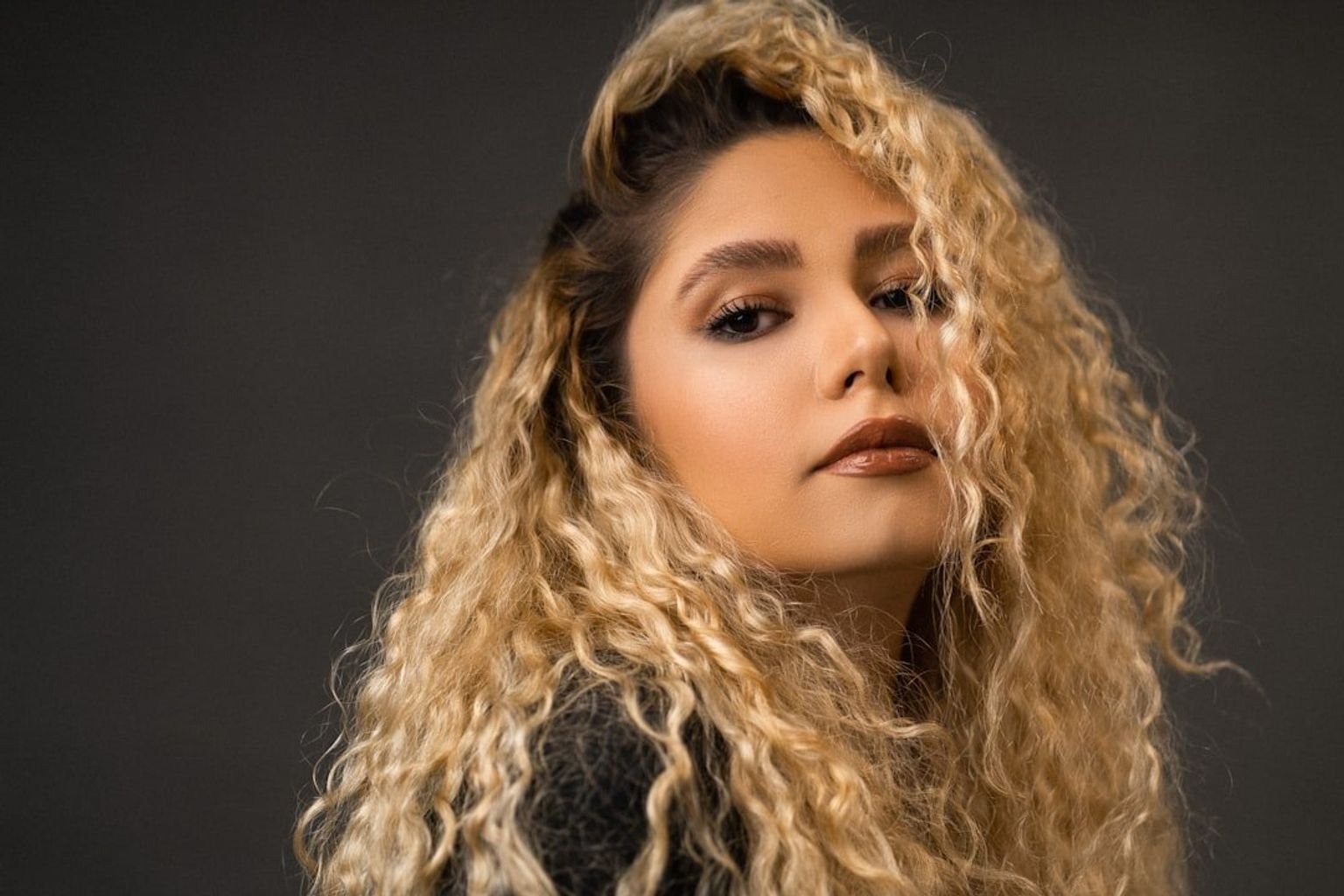
Crimped texture is easier to wear when it is used selectively instead of pressed through every section from root to tip. A few textured panels through the mid-lengths, underneath a ponytail or around an updo can add contrast while the rest of the hair keeps its natural movement.
Vogue’s 2026 hair coverage includes crimped hair among the year’s returning textures, alongside a broader move toward polished hair that still feels fluid and personal.
The biggest update is softness
Older crimping often relied on making every section look identical. That can create a strong graphic finish, but it also removes movement. A modern result usually looks better when the pattern is broken up.
You can crimp selected pieces, leave the roots smoother, or brush through the finished texture lightly so the hair does not read as one solid block.
Where you place the texture matters
Crimping the entire head creates maximum volume. That is useful if volume is the goal, but it can overwhelm fine facial features or make dense hair feel wider than expected.
For a more controlled result, keep the crown smoother and add texture from around the cheekbone or jaw downward. If you are wearing an updo, a few textured sections can add grip and visual detail without changing the whole silhouette.
Fine hair usually needs less pressure and less product
Fine hair can show a crimp pattern quickly, so there is rarely a need to press the tool repeatedly on the same area. Too much finishing spray can also make the pattern look hard rather than airy.
If your main goal is volume, compare the result with the techniques in our soft blowout guide. A blowout builds smooth lift; crimping builds visible surface texture. They solve different problems.
Dense hair benefits from section control
On thicker hair, the challenge is consistency. Working with very large sections can leave the outer surface textured while the hair underneath stays almost straight.
Use manageable sections, but do not assume every piece needs the same amount of texture. Leaving some untouched hair mixed in can make the finished look more dimensional.
Natural waves and curls do not have to be flattened first
Crimping is a texture technique, not a requirement to erase your natural pattern. On wavy or curly hair, you can use it as an accent on stretched sections, braids or updos rather than straightening everything first.
That also keeps the finished look closer to your own density and movement instead of forcing the hair into a completely different structure.
Heat protection matters more than a perfect pattern
Crimping adds another heat step, so there is little benefit in using more temperature or more passes than the pattern actually needs. Start with dry hair, use a heat-protection product appropriate for your hair and stop once the texture is visible.
The American Academy of Dermatology’s hair-damage guidance supports limiting damaging hair practices. In practical terms here, avoid repeated clamping on the same section just to make the zigzag sharper.
Keep the roots intentional
Crimping directly at the scalp creates a lot of lift. If that is not the effect you want, start a little lower and keep the first inch or two smoother.
This also makes the style easier to combine with a clean part, polished fringe or face-framing pieces.
A half-up style is an easy way to test the trend
If you are unsure about committing to a full textured look, try crimping the loose lengths of a half-up style. The tied-back section keeps the shape controlled while the lower hair carries the texture.
It is also a useful way to judge how much width and volume the pattern adds to your particular haircut.
Gloss and texture can work together
Texture does not have to mean dry-looking hair. Use only a small amount of lightweight finishing product and keep the ends separated rather than coated.
Our guide to glossy hair without flattening texture explains the same balance: shine should improve the finish without removing movement.
What to ask for if a stylist is creating the look
- Say whether you want visible zigzags or just extra texture.
- Show where you want the pattern to begin.
- Explain whether volume or detail is the priority.
- Ask for a finish that can still move rather than a heavily sprayed surface.
Crimping and waving solve different styling problems
A curling iron or wave tool creates larger bends that change the silhouette. Crimping creates smaller repeated texture that increases surface volume. If you mainly want movement at the ends, a wave may be enough. If you want visible texture or extra grip, crimping may be more useful.
Knowing the difference prevents you from using a high-texture technique when a softer bend would give the result you actually want.
Hidden crimping can create root lift without visible zigzags
One practical technique is to crimp a few underneath sections near the crown while leaving the top layer smooth. The textured sections create support underneath without making the surface look visibly crimped.
This can be useful for fine hair when the goal is lift rather than a full textured style. Keep the heat moderate and the sections limited so the technique does not become a daily source of damage.
Do not stack heat techniques unnecessarily
Straightening the hair first, then crimping it, then curling selected pieces adds repeated heat without always improving the result. Start from the hair’s natural or blow-dried state and use only the tool that creates the texture you need.
If you want polished movement rather than visible zigzags, the soft blowout guide may be the more suitable route.
Use crimped texture selectively in ponytails and braids
A few crimped sections can make a ponytail look fuller or give a braid more grip and visible texture. This is often easier to wear than crimping the entire head.
Keep the hairline smoother if you want the finished style to look intentional rather than fully retro.
Brush-out creates a softer, cloudier texture
If the zigzag looks too sharp, allow the hair to cool completely, then brush through selected areas lightly. This can turn the pattern into a softer expanded texture.
Do not keep reheating the same section simply because the first imprint is not perfectly uniform. Variation often makes the finished look more modern.
Heat frequency matters more than a one-time style
Occasional crimping is different from using a hot tool on the same sections several times each week. If this becomes part of your regular routine, watch for dryness, roughness and breakage and reduce heat exposure when the hair stops responding well.
Frequently asked questions
Does crimped hair have to look retro?
No. Selective sections, smoother roots and a softer finish can make crimping read as texture rather than a full throwback.
Can fine hair wear crimped texture?
Yes. Fine hair often needs only a small amount of crimping to gain visible volume, so start with fewer sections.
Should I crimp freshly washed hair?
You can, as long as the hair is completely dry before using a hot tool. Hair with a little natural grip may also hold the texture well.