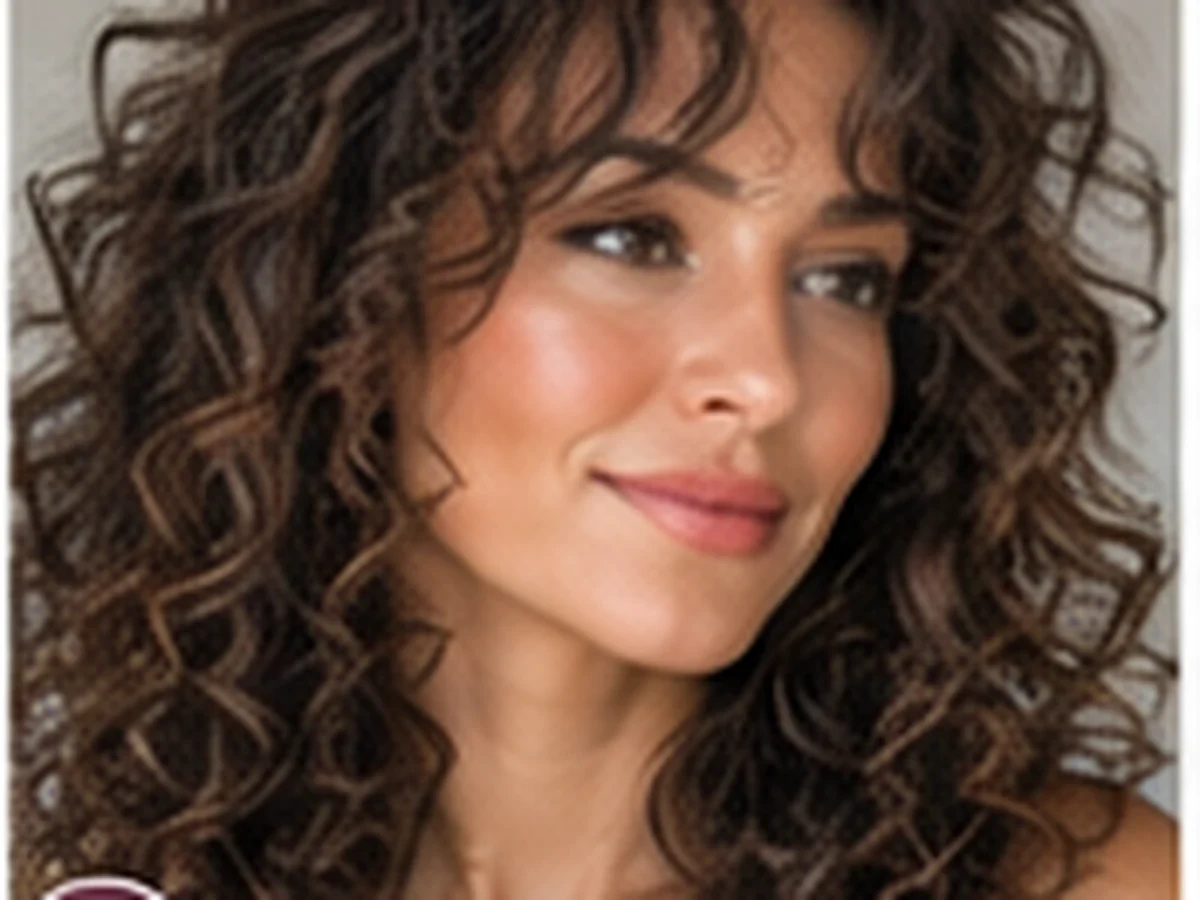
A curly bob is not really a wet-length decision. Curls can spring up several centimeters once dry, different sections may shrink by different amounts, and the widest part of the haircut can move higher than expected. That is why the finished silhouette matters more than the number on a ruler.
The most reliable version starts with your actual curl behavior: where the hair expands, where it collapses, how much the front shrinks, and whether you usually air-dry, diffuse or stretch it. If you are considering going shorter than bob length, compare short haircuts for curly hair before deciding how much length to remove.
Judge the bob by where the curls land when they are fully dry
A length that looks safely below the chin when stretched can finish much higher once the curl pattern rebounds. Front sections may also shrink differently from the back. Before cutting, it helps to identify the shortest areas, the loosest areas and any sections that consistently spring up more than the rest.
This does not mean every curly bob must be cut entirely dry. Techniques vary. What matters is that the stylist evaluates the natural dry pattern at some point rather than planning the final shape from wet length alone.
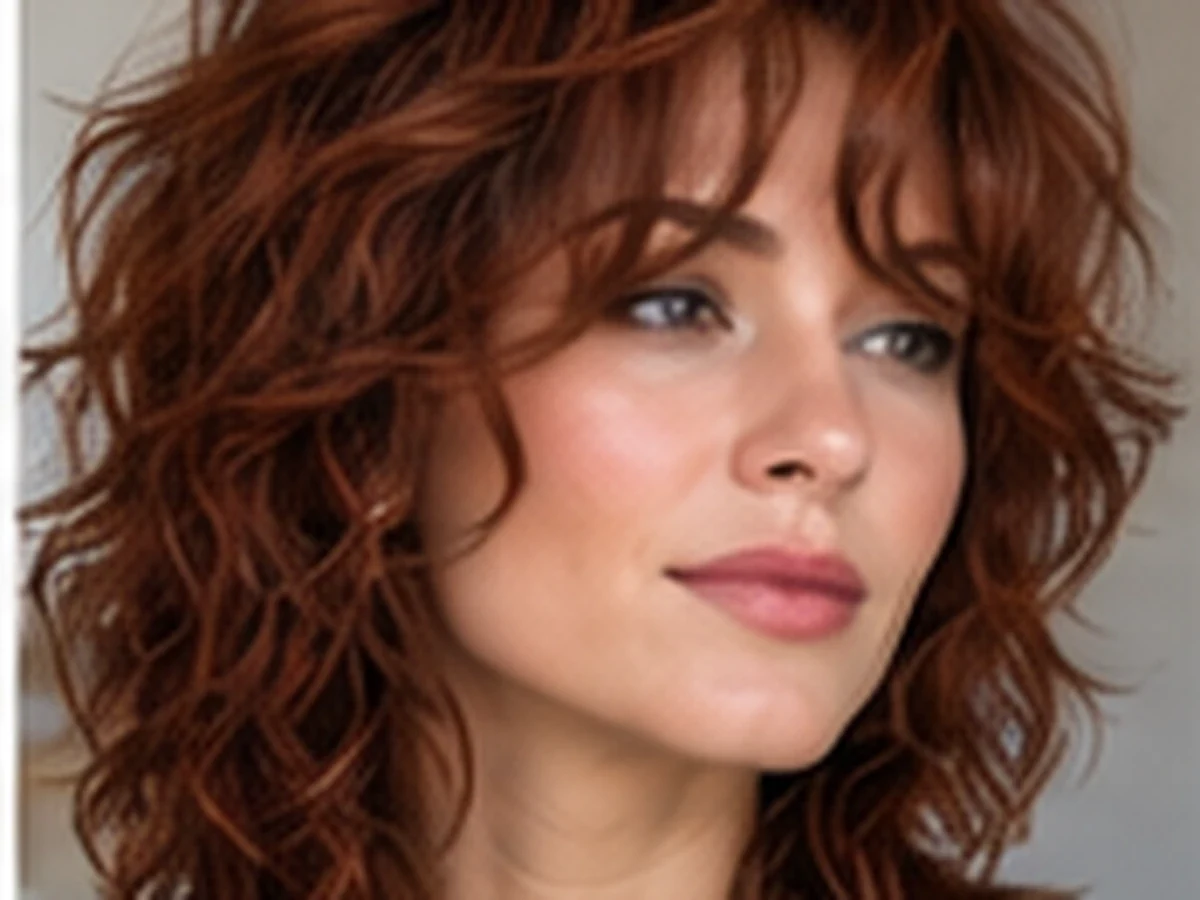
Decide where you want the haircut to be widest
The “triangle effect” is usually a shape problem, not simply a sign that there is too much hair. If most of the weight sits low near the jaw while the crown stays flat, the silhouette can become bottom-heavy. If too much is removed everywhere, the ends can look thin and the curls may lose cohesion.
A better conversation is about placement. Some people like width around the cheekbones; others want a rounder shape through the sides or more lift near the crown. Layering should support that target rather than follow one formula for every head of curls.
A curly perimeter can be soft and still look intentional
A bob needs enough structure around the lower edge to read as a bob, but that does not require a rigid blunt line. Selective layering can release heavy areas while leaving enough density at the bottom for the haircut to feel complete.
When curl patterns vary across the head, the shortest layer does not need to be identical everywhere. A tighter section may need more length than a looser one to finish at the same visual level.
Front pieces and fringe need their own shrinkage plan
The front is often where a curly bob changes most dramatically after drying. A piece that reaches the lips or jaw when stretched may spring toward the cheekbone once dry. Before cutting a fringe or short face frame, decide where you want it to live on an ordinary day, not only after a fresh salon set.
Curly fringe can work well when the stylist leaves enough length for movement and accounts for uneven spring between sections. If you are comparing different fringe shapes, use bangs and fringe ideas for the broad options, then adapt the chosen length to your curl pattern rather than copying a straight-hair reference literally.
Fine curls and dense curls need different weight strategies
Fine curls often look fuller when the outer perimeter stays substantial and the internal layers are restrained. Dense curls usually need more room inside the shape so the hair can move without becoming a solid block. Coarser curls may tolerate stronger shaping, while delicate curls can lose visible density quickly if too much is removed.
If fine strands are your main concern, the broader fine-hair haircut hub explains the difference between strand thickness and overall density, which is useful before deciding how much layering you actually need.
Build the cut around the way you already dry and refresh your hair
A practical curly bob should settle into a recognizable shape with your normal routine. If you usually air-dry, the cut should not depend on a round-brush finish. If you diffuse, tell the stylist how much lift you create at the roots and whether you normally dry upside down, side to side or mostly upright.
Refresh habits matter too. A bob that looks balanced only on wash day but collapses or expands unpredictably the next morning may be asking more of you than you want. The haircut should leave enough flexibility for your real week, not just the salon finish.
Grow-out changes both length and volume placement
As a curly bob grows, the perimeter may drop while the shape also becomes wider or heavier lower down. If the original cut relies on crown lift or carefully placed internal layers, that balance can shift before the overall length feels dramatically different.
If you prefer longer gaps between appointments, ask for a shape that can soften into a longer curly bob without becoming bottom-heavy. Longer front pieces and restrained crown layering usually give more room for that transition than a very short fringe or heavily sculpted top.
Useful details to discuss before the first section is cut
- Show your hair fully dry and styled the way you normally wear it.
- Point out which sections shrink the most and which stay looser.
- Choose where you want the widest part of the finished shape.
- Decide where any fringe or shortest face-framing piece should land when dry.
- Ask how the perimeter will stay full after internal weight is removed.
- Explain whether you air-dry, diffuse, stretch or occasionally straighten.
- Ask what the cut is expected to look like on second- and third-day hair and as it grows.
For a broader planning checklist that covers density, texture and maintenance together, see how to choose a haircut.
Frequently asked questions
Should a curly bob be cut dry?
Not necessarily from start to finish. Many curly clients benefit from dry assessment because shrinkage and curl pattern determine the final silhouette, but individual cutting methods vary by stylist and hair type.
Can fine curly hair wear a bob?
Yes. A stronger perimeter and controlled layering can help fine curls keep visible fullness instead of becoming wispy through the ends.
How do I avoid a triangle-shaped curly bob?
Focus on where the weight and width sit. Strategic layers and internal shaping can redistribute volume, but removing more hair everywhere is not automatically the answer.
Can a curly bob have bangs?
Yes. The main issue is dry length and shrinkage. Leave enough room for the fringe to spring up naturally and judge the result in the curl pattern you actually wear.