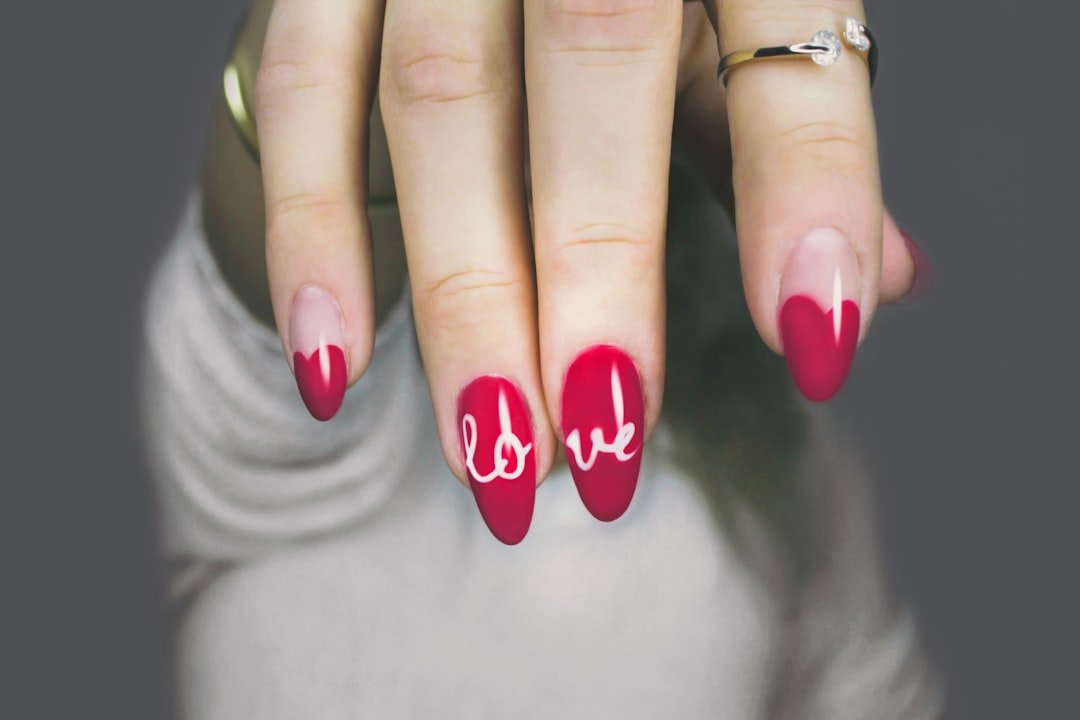
Sheer plum nails sit between a jelly manicure and a classic dark polish. The color is deeper than a sheer pink or nude, but enough transparency remains that the natural nail still contributes to the final shade. That makes plum feel softer and less heavy than a fully opaque burgundy.
The appeal comes from depth without complete coverage, so the way you build the layers matters more than simply choosing a dark purple bottle.
Transparency changes the mood
A dark opaque polish creates one solid block of color. A sheer plum lets light pass through the layers, so the manicure can look lighter at the edges and deeper where coats overlap.
That variation is what gives the finish its glassy quality.
Build the color in thin coats
One coat may look almost like a berry tint; two or three create more depth without losing translucency. Thick coats make the finish harder to control and can turn a jelly-like shade into a patchy opaque one.
Allow each coat to settle before adding the next so you can judge the real depth.
Natural nail tone becomes part of the result
Because the polish is translucent, the nail underneath influences how plum reads. A warmer nail bed can pull the shade redder; a cooler base can make it appear more violet.
If you want a more even result, a sheer neutral base can soften differences between nails without hiding them completely.
Short nails suit the finish particularly well
Deep transparent color works well on short natural nails because it creates richness without making the nail shape feel heavy.
If you are deciding how much taper or edge to keep, our nail-shape guide compares practical options.
Gloss supports the glassy effect
The appeal of sheer plum is depth, so a high-shine top coat usually supports the effect better than matte. Reflected light helps the translucent layers remain visible instead of flattening into one dark tone.
If you prefer matte, expect the polish to look denser and dustier.
Choose the right plum family
A red-leaning plum can look closer to berry or wine. A blue-violet plum feels cooler and more obviously purple. A brown-plum looks softer and more neutral.
All can work sheer, but they create different moods once layered over the natural nail.
Do not expect every sheer formula to build evenly
Some translucent polishes are intentionally streaky at one coat and smooth out at two or three. Others remain uneven because the pigment is not designed for a glassy finish.
If you want a jelly effect, choose a formula that is meant to remain transparent rather than simply thinning an opaque polish heavily.
Tip wear is more forgiving than with fully opaque dark polish
Because the finish is translucent, very small amounts of wear can be less obvious than on a solid black or burgundy manicure.
However, once the free edge becomes noticeably patchy, adding another thick coat may make the manicure uneven. A fresh thin layer is better than trying to bury the wear.
Natural nail condition is more visible through sheer color
Ridging, peeling or uneven free edges can show through a translucent plum more than they would under an opaque cream polish. A smoothing base coat can make the surface look more even without removing the glassy effect.
If the nails are peeling or damaged, focus on condition first rather than trying to hide every irregularity under extra coats.
Choose the coat count before the final manicure
Ask to see one, two and three coats on a sample tip if possible. The difference can be dramatic: one coat may look like a berry wash, while three can approach a traditional dark manicure.
Knowing your preferred depth in advance helps the technician stop before the polish becomes more opaque than you wanted.
Cuticle cleanup matters more with translucent dark color
Sheer plum has enough pigment to show mistakes around the skin but not enough opacity to hide uneven application. Clean sidewalls and a neat cuticle edge make the manicure look intentional even when the color itself is soft.
That precision is especially useful on short nails, where a small area of flooded polish takes up more of the visible nail.
Use daylight to judge whether the plum still reads purple
Indoor lighting can push a deep sheer shade toward burgundy or near-black. Check the finished manicure in daylight before deciding whether it needs another coat. If the polish is for everyday wear, also check it under normal office or home lighting; a shade that looks beautifully violet by a window can appear much darker indoors. That is especially useful if you want the manicure to stay recognizably plum rather than read as black.
If the violet undertone disappears after the second layer, stopping there may preserve more of the effect than chasing maximum depth.
Simple accents work best
A sheer plum manicure already has visual depth. If you add detail, keep it light: one chrome accent, a fine line, a tiny crystal or a translucent gradient.
Heavy art can hide the quality that makes the finish interesting.
Use opaque plum as a reference, not the target
The featured photo for this article shows a more opaque burgundy-plum manicure. It is useful as a color-depth reference, but a true sheer-plum version uses less pigment and allows more of the natural nail to show through.
A simple salon request
Ask for a translucent plum or berry jelly rather than simply “dark purple.” Explain that you want to see some natural nail through the color and that you prefer depth built with thin coats.
If you like dark color but want something softer than a fully opaque manicure, sheer plum is an easy middle ground: richer than nude, lighter than burgundy and flexible enough to build from a tint to a deeper glassy finish. If you are undecided between one and two coats, wear the lighter version for a day first; it is easier to add depth later than to recover transparency once the manicure has become fully opaque.