A short bob can be one of the most adaptable haircut families after 50 because it can be made sharper, softer, fuller, lighter or easier to style without forcing everyone into the same shape. The age label is useful for search, but it should not become a rulebook. What matters more is your density, natural texture, hairline, fringe preference, styling time and how much weight you want to keep at the perimeter.
If you are deciding between a bob and something shorter, compare our Bob Haircuts, Women Over 50 haircut guide and Bixie Haircuts for Fine Hair. If fine strands or lower density are the main concern, the Fine-Hair Bob guide goes deeper into perimeter weight and layering.
Before you cut: decide what you want the bob to do
A short bob can create a stronger visual outline, remove length that is weighing the hair down, or simply give you a cleaner shape. It cannot change the number of hairs growing from the scalp, and it should not be sold as a guaranteed answer to thinning. The haircut can improve balance and proportion; the rest depends on your actual hair.

If you think you want a bob because it looks neat in photographs, ask one more question: will you still like it on the days you air-dry, tuck it behind your ears, wear glasses, or skip styling altogether? That answer is usually more useful than following a face-shape rule.
18 short bob haircuts for women over 50 to compare
1. Chin-length blunt bob
A clean chin-length perimeter can make the haircut feel substantial without relying on many layers. This is especially useful when you want the shape to look intentional even with minimal styling.
2. Soft layered bob
Light layering can introduce movement without turning the whole cut wispy. StyleVeya recommends keeping the outer line strong if your ends already look fine, then adding movement where it earns its place.
3. Short bob with side-swept fringe
A side-swept fringe can soften the front and create direction. It is also easier to move around than a very short full fringe, which can be helpful if your natural part changes from day to day.
4. Rounded jaw-length bob
A rounded silhouette works well if you prefer a softer finish. The shape comes from the outline and blow-dry direction rather than from heavy internal texturing.
5. French-inspired bob
Usually sitting around the jaw with a more deliberate fringe or softly undone finish, this direction suits readers who want a stronger fashion statement without adding much length.
6. Short bob with curtain fringe
A longer split fringe gives you flexibility around the forehead and temples. It can be styled open, swept more to one side, or grown into face-framing pieces with relatively little disruption to the main shape.
7. Tucked-behind-the-ear bob
If you like a bob but do not want it sitting around your face all day, keep enough side length to tuck comfortably. This small practical detail can matter more than a dramatic shape change.
8. Softly graduated bob
A little graduation at the back can encourage lift while keeping the outline controlled. The most wearable versions avoid an exaggerated stacked effect unless that is specifically the look you want.
9. Wavy short bob
Natural wave can give a bob movement without extra layering. Leave enough length for the bend to form and ask how the shape will behave when air-dried rather than only after a salon blowout.
10. Sleek straight bob
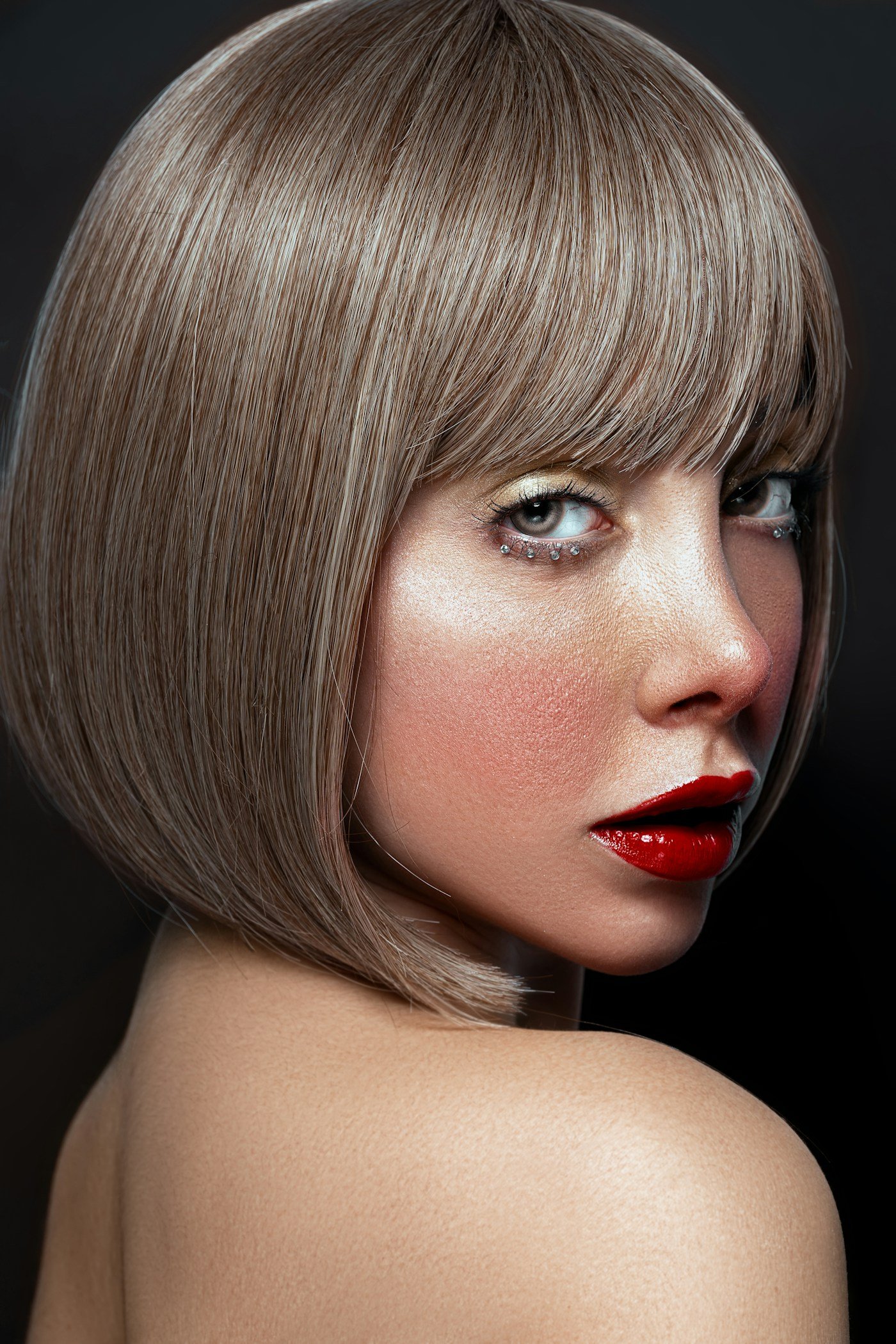
Not every bob needs texture. A smoother finish can look modern and strong, especially when the perimeter is precise and the hair naturally falls straight.
11. Short bob with soft bangs
A softer fringe can make the cut feel less severe than a blunt full bang. It also leaves more flexibility if you decide later that you prefer the fringe swept away from the face.
12. Bixie-leaning bob
This sits close to the border between a bob and a pixie. It works well if you want a shorter nape and more crown movement but still prefer some length around the ears and sides. Compare it with our Bixie guide before deciding.
13. Short choppy bob
Visible separation through the ends can make the cut feel lighter and less polished. If your density is lower, keep the choppiness selective rather than removing weight everywhere.
14. Grey bob with a clean perimeter
Grey hair can be fine, coarse, straight, wavy or mixed, so there is no single “grey-hair bob.” A clean perimeter is simply one useful option when you want the color and texture to be the visual focus.
15. Short bob with longer front pieces
Keeping a little extra length toward the front can soften the transition from a longer haircut and give you more options for tucking, sweeping or growing the style out.
16. Low-maintenance short bob
Low maintenance should mean the haircut still looks coherent with your normal routine. If you usually air-dry, say that before the cut. A shape that only works after a round-brush blowout is not low maintenance for you.
17. Short bob with a deep side part
A deeper part can change how volume is distributed without changing the haircut itself. It is worth testing before asking for additional layers simply to create lift.
18. Soft textured bob with natural movement
This is the least rigid option: a defined outer shape with enough internal movement to keep the bob from feeling helmet-like. It works best when the texture is adapted to your density rather than copied from a photograph.
If your hair is fine or lower density
Fine hair refers to strand diameter; lower density refers to how many hairs are growing in an area. Those can happen together, but they are not the same. In a bob, the main question is often how much weight the ends can afford to lose. If the perimeter already looks sparse, a stronger outline with fewer visible layers may be more flattering than a very textured shape.
Our Bob Haircuts for Fine Hair guide compares 16 density-conscious shapes in more detail. You may also want to compare Pixie Cuts for Fine Hair if shorter length feels appealing.
Grey hair, mixed texture and changing routines
Hair can change over time, but the direction is not identical for everyone. Some people notice more dryness or coarseness in grey strands; others keep very soft fine hair. Treat the hair you have now as the starting point. If your texture has become more mixed, ask the stylist how the bob will sit when different sections bend, frizz or dry at different speeds.
If you color your hair, maintenance may come from the color rather than the haircut. A simple bob with a demanding color routine can still be high maintenance overall, so think about the complete routine rather than the cut in isolation.
Which fringe works with a short bob?
Fringe changes the front of a bob more dramatically than most people expect. Side-swept fringe is flexible and easy to redirect. Curtain fringe keeps more length and can grow out gracefully. A soft full fringe makes a stronger statement but may need more frequent trimming. If your hairline has strong cowlicks, discuss them before cutting the fringe rather than trying to force the hair into a shape it resists.
Short bob vs bixie vs pixie
| If you want… | Start with… | Why |
|---|---|---|
| The strongest perimeter | Short bob | Keeps more visible weight around the ends. |
| More crown movement with some perimeter | Bixie | Sits between bob and pixie territory. |
| The shortest, lightest overall shape | Pixie | Removes more length and exposes more of the perimeter. |
| More layered, undone movement | Short shag | Prioritizes texture and crown movement. |
Questions worth asking at the salon
- Where should we keep weight so the ends still look substantial?
- How will this bob behave if I air-dry it?
- Would I get more useful lift from a part change or from layering?
- How often will the fringe or neckline need tidying?
- What part of this reference photo is realistic for my texture?
- If I grow it out, what will the next stage look like?
Use the StyleVeya Stylist Brief to organize those points before an appointment. If you are still between a bob, bixie and pixie, the Style Finder can help narrow the options.
Frequently asked questions
Are short bobs suitable after 50?
Yes. Age does not disqualify a haircut. The better question is whether the length, perimeter and maintenance fit your hair and routine.
Which short bob is easiest to maintain?
Usually the one that works with your natural texture and does not rely on daily heat styling. Softer perimeters can also tolerate growth differently from very precise blunt shapes.
Is a blunt bob better for fine hair?
It can help preserve the appearance of weight at the ends, but it is not automatically better for everyone. Density, natural movement and styling preference still matter.
Can grey hair wear a short bob?
Absolutely. Grey hair can wear any bob shape that works with its texture and density. The color itself does not determine the haircut.
Do I need bangs with a short bob?
No. Bangs are a design choice. They can add softness or structure, but the bob can work just as well without them.