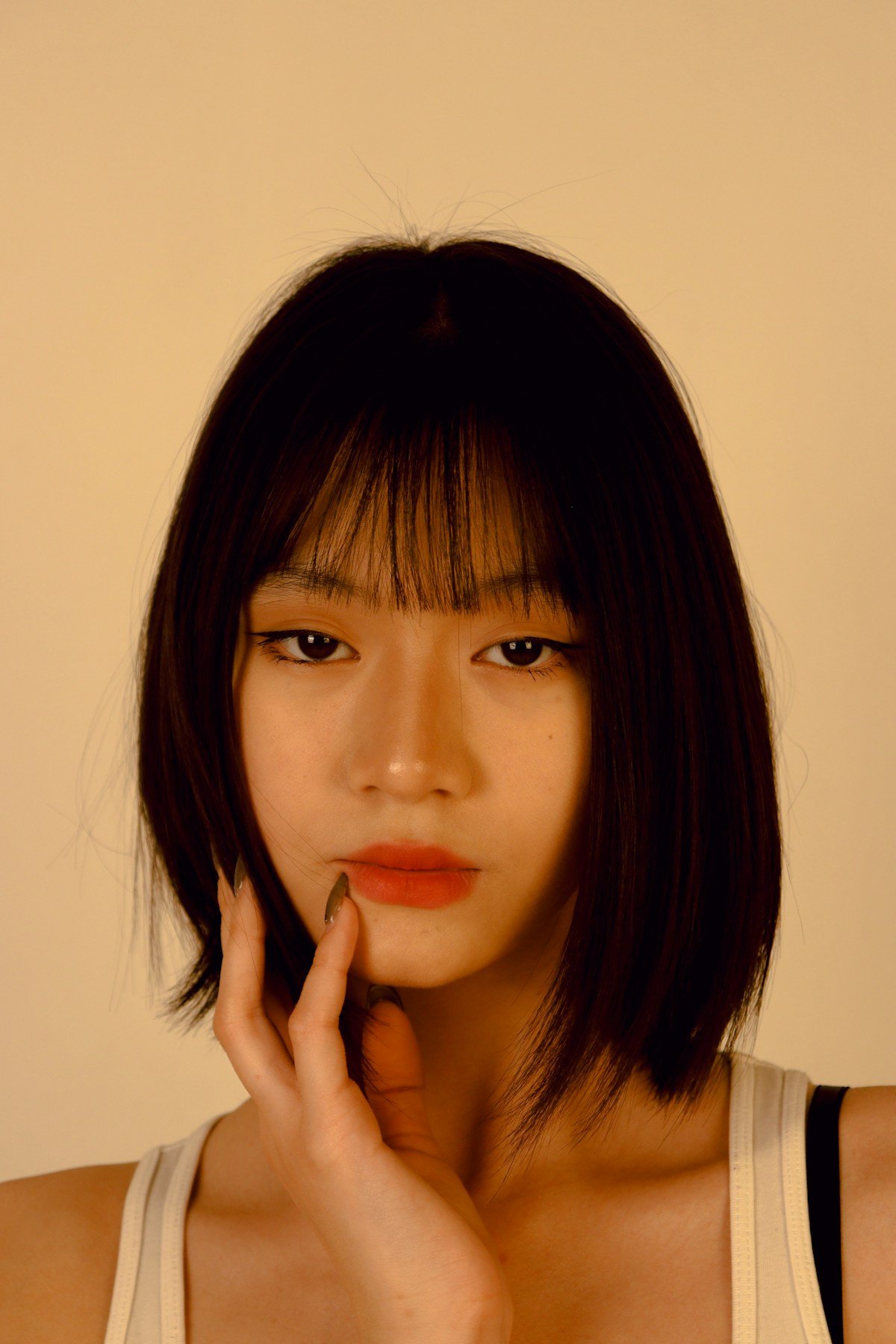
A bob can be one of the easiest ways to make fine hair look more substantial, but only if the shape protects the weight you already have. The length removes drag, the perimeter can make the ends look denser, and a little internal movement can stop the haircut from sitting flat. The problem starts when “volume” gets translated into too much thinning.
The useful decisions are practical: how strong the perimeter should stay, where the crown needs movement, how much hair can be assigned to a fringe, and whether the shape still works when you are not standing under salon lights.
If you are still choosing between short-hair families, compare Bob Haircuts, Fine Hair, Bixie Haircuts for Fine Hair and Pixie Cuts for Fine Hair. A bob keeps the strongest lower outline of those options, while a bixie or pixie removes more length and can create more crown movement.
Before you choose a bob, check these three things
1. Is the issue strand size, density, or both?
Fine hair describes the diameter of each strand. Lower density means there are fewer hairs in an area. The two can happen together, but not always. Someone with very fine strands and plenty of density can usually support more internal movement than someone whose perimeter already looks sparse.
2. Where does your hair lose shape?
If the ends look thin, a stronger baseline may matter more than crown layers. If the ends are healthy but the top lies flat, the haircut may need movement higher up. If one temple is lighter than the other, the front length and parting can make a bigger difference than the back.
3. How do you normally dry it?
A bob that only looks full after a long round-brush blow-dry may not feel practical if you usually air-dry. Tell your stylist what an ordinary morning actually looks like, including how much heat, product and time you normally use.
16 bob haircuts for fine hair to compare
1. Blunt jaw-length bob
A clean jaw-length baseline can make fine ends look noticeably stronger because the eye sees one clear line instead of many feathered points. This works especially well on straight or slightly wavy hair when you like a polished shape.
2. Soft box bob
The box bob keeps the outline strong but feels a little less severe than a razor-sharp blunt cut. Gentle internal shaping can stop it from becoming triangular without sacrificing the visual density at the ends.
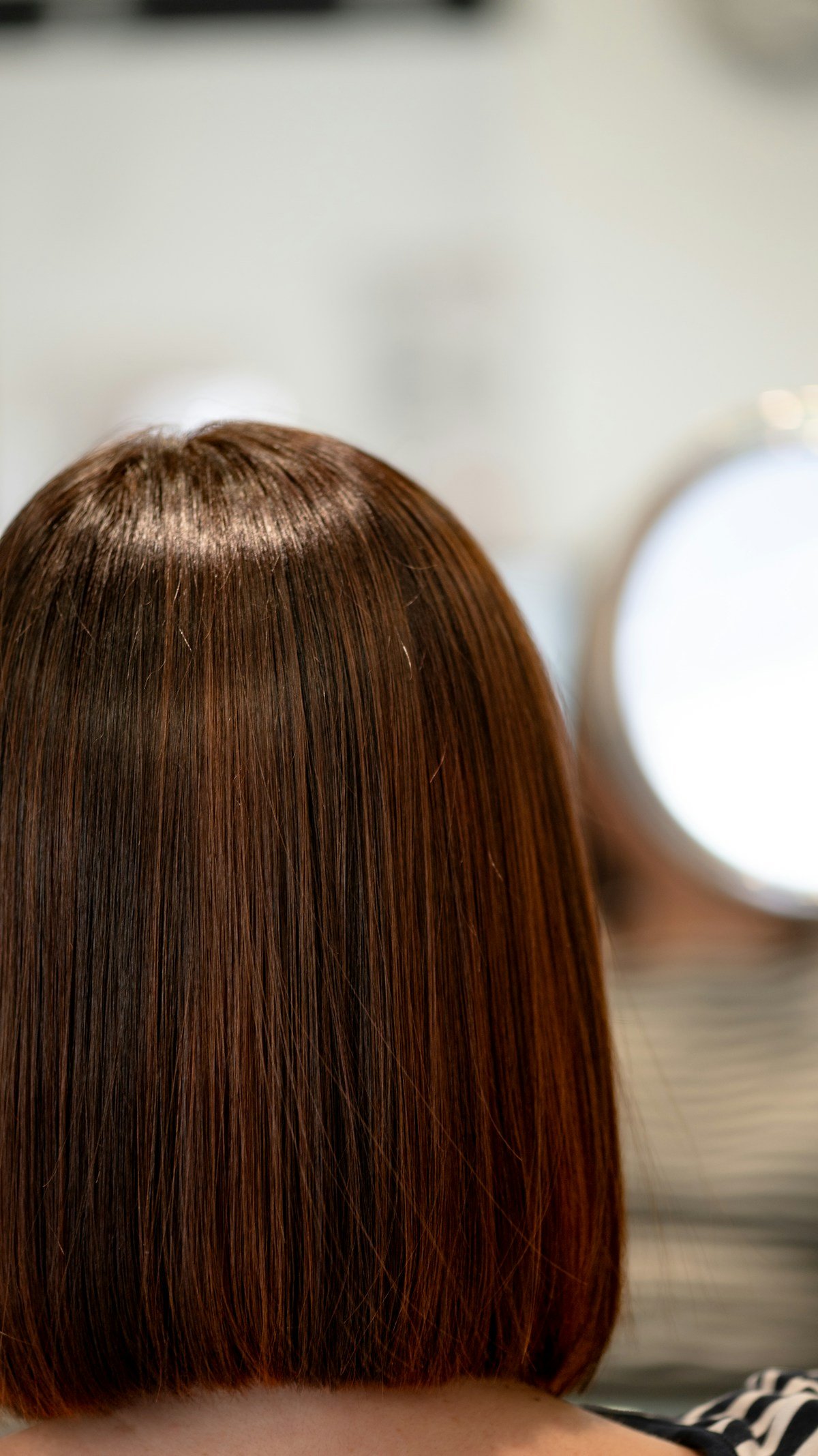
3. Chin-length rounded bob
A rounded silhouette adds softness while keeping the lower edge full. If your hair naturally curves inward, this shape can work with that movement rather than asking you to flatten it every day.
4. Side-parted bob
A side part can create instant direction and a little root lift without changing the haircut itself. It is a useful option if the crown is reasonably full but the top tends to sit flat through the center.
5. Airy bob with restrained layers
This is for anyone who wants movement without giving up the density of a bob. The layers should be light enough that the perimeter still reads as solid when the hair is not curled or styled.
6. French-inspired short bob
A compact bob around the jaw with a soft fringe or lightly broken edge can feel relaxed rather than severe. The exact length matters: too short can expose areas you wanted covered, while too long can bring back the weight that makes fine hair collapse. Compare French Bob Haircuts if this is the proportion you prefer.
7. Slightly angled bob
Keeping a touch more length toward the front adds shape without requiring extra layers. It can also give you enough front length to tuck, sweep or frame the face in different ways.
8. Fine-hair bob with curtain fringe
A longer parted fringe can soften the front of a blunt bob and create movement around the face. Do not borrow so much hair from the crown that the top starts to look flatter.
9. Wavy bob with a strong baseline
Natural wave can make fine hair appear more dimensional. A stronger lower outline keeps the movement from turning wispy, especially when the hair is left to air-dry.
10. Sleek bob with minimal layering
If you prefer a smooth finish, you do not need to manufacture texture just because your hair is fine. A neat perimeter, good length and controlled shape can do more for fullness than heavy texturizing.
11. Tucked-behind-the-ear bob
A bob with enough front length to tuck can change its shape instantly. If one side of the hairline is less dense, you may prefer to keep a little more face-framing length there rather than cutting both sides identically.
12. Softly graduated bob
Subtle graduation at the back can give the shape lift without turning it into a heavily stacked haircut. This works best when the transition is controlled and the lower edge still looks substantial.
13. Short bob for fine wavy hair
With fine waves, the haircut should leave enough length for the bend to form. If every layer is cut too short, the natural texture can disappear and the ends can start to look light.
14. Bob with wispy fringe
A small, airy fringe can soften a strong baseline. The real density question is how much hair is brought forward and what that leaves through the crown and sides. Compare Bangs and Fringe Ideas before choosing the depth of the fringe section.
15. Low-maintenance bob
Low maintenance means the haircut still makes sense after your normal drying routine. For some people that is a smooth blunt bob; for others it is a softer wavy shape. The photograph matters less than how the cut behaves on your own hair.
16. Grown-out bixie into a mini bob
If you are growing out a bixie, a small bob can turn the in-between stage into a deliberate shape. The perimeter gradually becomes stronger while the crown keeps some of the movement you already have.
How much layering is enough?
There is no universal answer. Fine hair can benefit from layering when the haircut is flat or heavy in the wrong place, but the amount should solve a specific problem. If the ends are already sparse, taking more weight away from them rarely helps.
A useful salon question is, “Where are you adding movement, and where are you keeping weight?” That is more informative than simply asking whether the cut will have layers.
Should you add bangs to a fine-hair bob?
Bangs can work well, but think about where the hair for the fringe is coming from. A curtain fringe uses more length and can create movement around the face. A wispy fringe needs less hair but can look too light if the rest of the perimeter is also heavily textured. A side fringe is often the easiest to redirect as the cut grows.
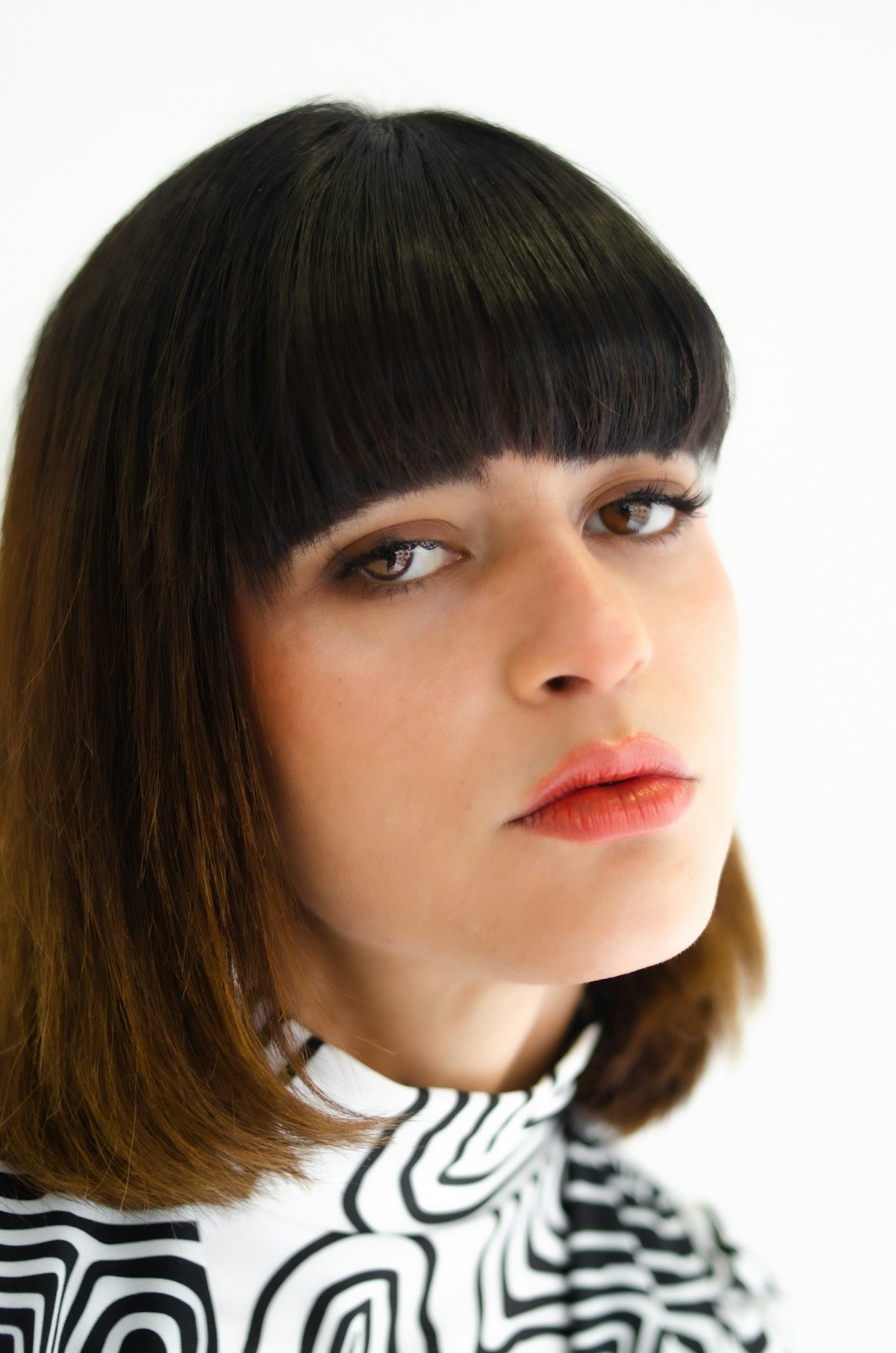
If the front hairline has a strong cowlick, work with the natural split rather than choosing a fringe that has to be forced into place every morning.
Bob vs bixie vs pixie for fine hair
| If your priority is… | Start with… | Why |
|---|---|---|
| Strong-looking ends | Bob | Keeps the most weight through the lower perimeter. |
| More crown movement but some side length | Bixie | Removes more weight than a bob while keeping a softer perimeter than a pixie. |
| The lightest overall shape | Pixie | Shorter length can create stronger contrast and lift. |
| More visible layered texture | Short shag | Prioritizes movement and separation over a blunt baseline. |
How to style a fine-hair bob without flattening it
Start with the haircut, not the product shelf. A light mousse or root spray may help, but heavy creams, oils and waxes can erase movement quickly on fine strands. Use product where you need it rather than coating the entire head automatically.
When blow-drying, changing direction at the root can create lift without backcombing. If you air-dry, encourage your natural bend instead of brushing it flat while wet. And if your hair looks best with almost no product, that is useful information—not a styling failure.
Plan for the grow-out before choosing the exact bob length
A precise jaw- or chin-length bob changes visibly as the perimeter drops, while a slightly softer or longer bob usually gives you more room before the shape feels different. If you want longer gaps between appointments, ask how the chosen baseline will behave once it moves below the jaw or begins touching the shoulders.
Front length matters just as much. If you tuck the hair behind the ears, clip it back or want to grow into a long bob, keep enough length through the sides to make those stages practical. A short fringe or sharply angled front can look strong initially but may need more reshaping during the transition.
Fine hair vs thin or thinning hair: what a bob can—and cannot—change
A haircut can change proportion, remove weight and make the perimeter look stronger. It cannot increase the diameter of each strand or create new density. That distinction matters because a good bob works with the hair you have instead of promising that one cut will “fix” fine hair.
If you are seeing a sudden or unexplained change in density rather than simply having naturally fine hair, a haircut is not the place to diagnose the cause. Consider appropriate professional advice before treating a styling change as the explanation.
Protect the perimeter before adding movement
- I want the ends to look stronger. How much layering would you keep away from the perimeter?
- My crown tends to fall flat. Where would you add movement without thinning the ends?
- I normally air-dry or spend less than ten minutes styling. Which version suits that?
- Would a jaw-length bob or a slightly longer bob work better for my density?
- How will the baseline and front pieces change as this grows?
- Would bangs remove too much fullness from my crown?
Save those points in the StyleVeya Stylist Brief. If the shortlist is still bob, bixie, pixie or shag, the Style Finder can help narrow the direction first.
Frequently asked questions
Does a bob make fine hair look thicker?
It can make the ends look fuller when the length and perimeter are chosen well. A bob can also look thin if the ends are over-layered or heavily texturized, so the technique matters as much as the haircut name.
What bob length is best for fine hair?
Jaw- to chin-length bobs often create a strong outline, but there is no single best length. Your density, hairline, neck, natural texture and styling routine all affect where the cut should sit.
Should fine hair have a blunt bob?
A blunt or nearly blunt baseline is often useful when you want the ends to look denser. It does not mean the entire haircut must be one length; subtle internal shaping can still be used where needed.
Can fine wavy hair wear a bob?
Yes. Natural wave can add movement and dimension. Leave enough length for the wave to form and be cautious about removing too much weight from the ends.
Is a bob lower maintenance than a pixie?
It can be. A bob often tolerates more growth before the shape changes dramatically, while a very short pixie can show growth sooner. Daily styling still depends on the specific cut and your natural texture.