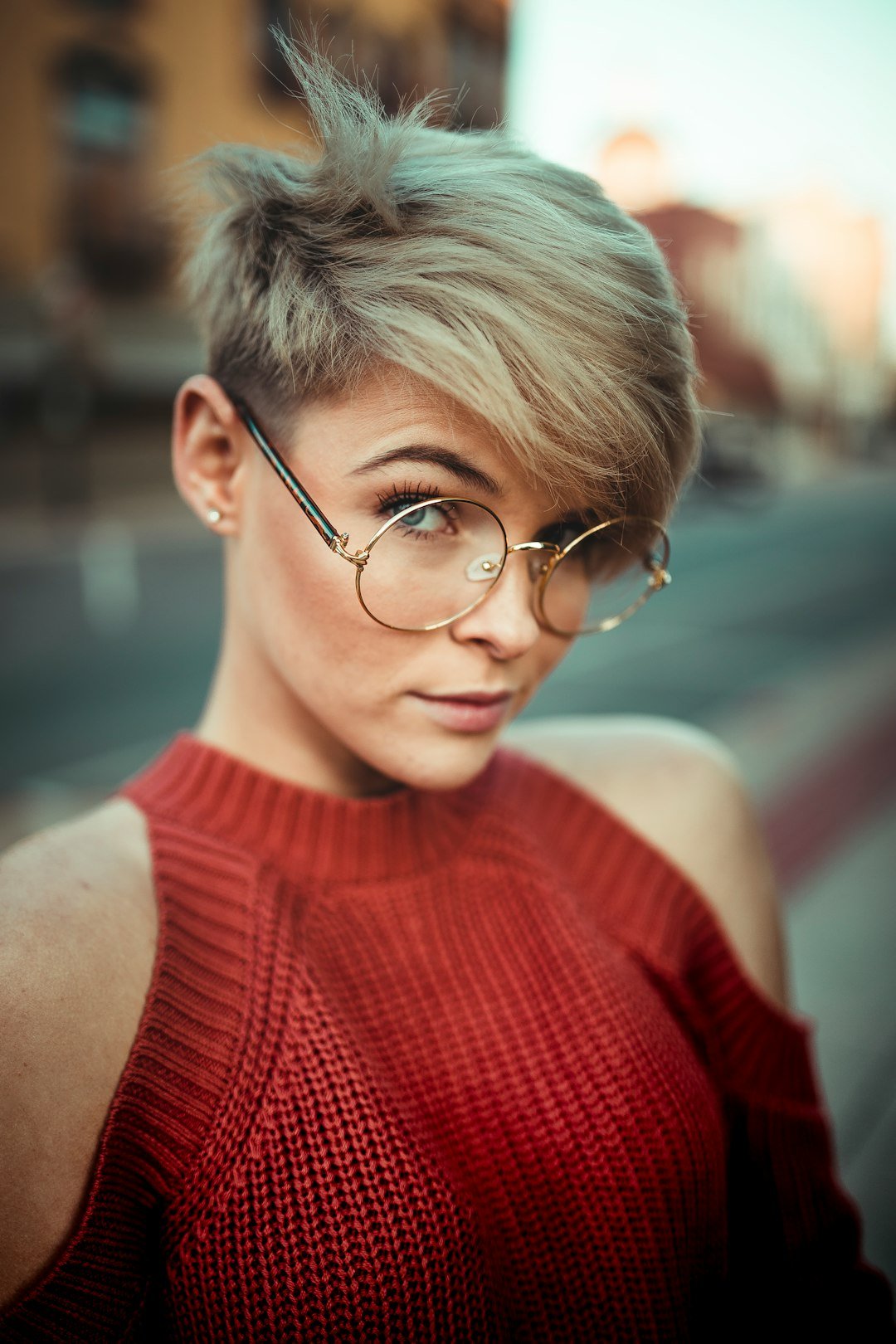
A bixie is the fine-hair option for someone who wants short-hair lightness without giving up all of the perimeter around the ears, nape or jaw. It should look longer and softer than a true pixie, but still more compact than a bob.
On fine hair, that extra perimeter is useful because it preserves visible weight while the crown and front can still be shaped for movement. The decision is how much length needs to remain at the edge so the cut still looks full when the styling relaxes.
Choose Pixie Cuts for Fine Hair if you want a more exposed, clearly cropped silhouette. Choose Bob Haircuts for Fine Hair if a stronger lower outline matters more than short-hair lightness. Use Short Shaggy Haircuts for Fine Hair when broken-up layering is the feature you want to see first.
Is a bixie a good choice for fine hair?
It can be. The shorter length removes some drag, while the extra perimeter compared with a classic pixie gives the haircut more visual substance. Fine hair varies a lot, though. Someone with many fine strands can support more layering than someone with lower overall density, so the cut should be adjusted to the amount of hair you actually have.
If you like the look of a pixie but worry about feeling too exposed, a bixie gives you more room around the sides and front. If you like a bob but find it falls flat, the shorter back and lighter crown can add movement without forcing you into a very short crop.
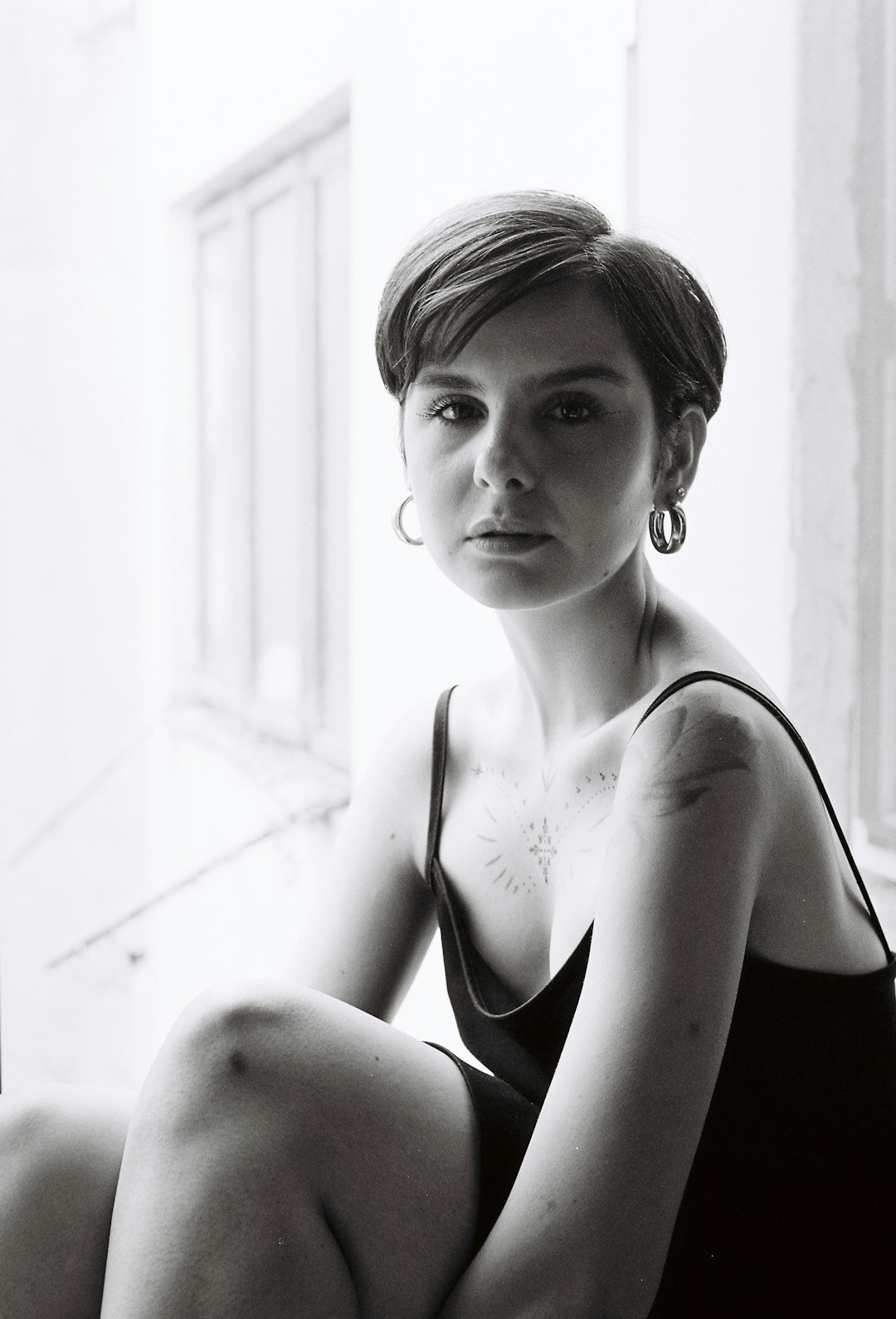
17 bixie haircuts for fine hair to compare
1. Soft layered bixie
This is a forgiving place to start. The shape keeps a little length around the sides while soft layers through the crown create movement. Ask for the layers to be selective rather than everywhere so the ends still look substantial.
2. Side-swept bixie
A longer section at the front gives fine hair direction and makes the cut easier to restyle. Sweep it across the forehead, tuck it behind one ear or let it fall more softly depending on the day.
3. Rounded bixie
A rounded outline works well when you want the haircut to feel polished rather than piecey. It can make fine straight hair look more intentional because the fullness comes from the silhouette, not from heavy texturizing.
4. Bixie with a tapered nape
Keeping the nape neat while leaving more length through the crown creates contrast. That contrast can make the top appear fuller, especially if your hair tends to sit flat at the back of the head.
5. Bixie with curtain fringe
A soft split fringe adds shape around the face and gives the front of the haircut some movement. It is especially useful if you want a softer transition from a bob but are not ready for a short exposed fringe.
6. Wavy bixie
Natural wave can make a bixie look fuller with very little effort. The important thing is leaving enough length for the bend to form. Cutting every section too short can remove the movement you were trying to use.
7. Choppy bixie with a strong perimeter
If you like visible separation, keep the choppiness mostly through the crown or fringe and preserve more weight around the lower edge. That balance helps fine hair look textured without making the perimeter disappear.
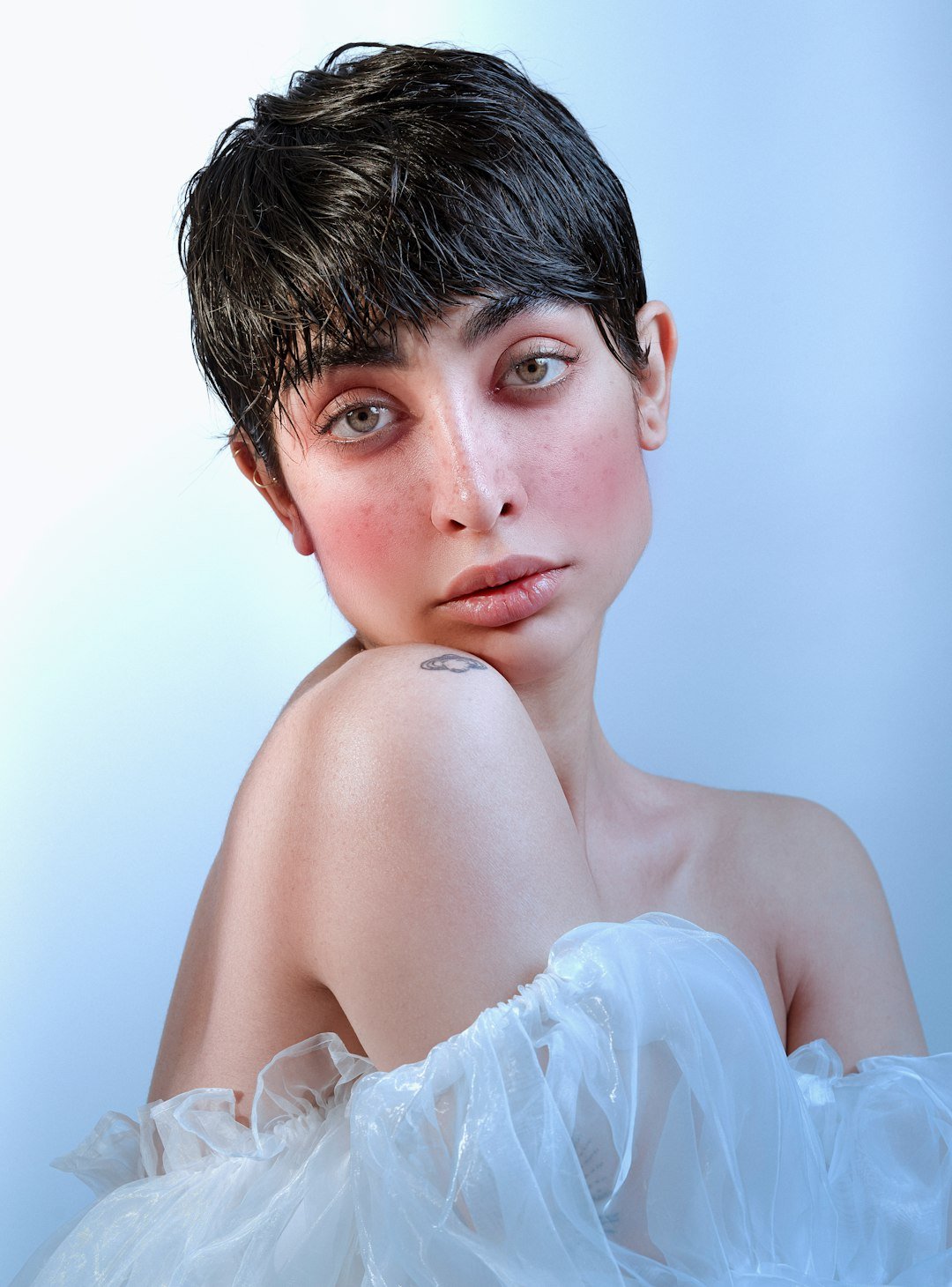
8. Bixie with a long fringe
A longer fringe gives you flexibility and can help cover areas where the hairline feels less dense. It can also be redirected to either side, which makes the haircut more adaptable as it grows.
9. Sleek bixie
Fine hair does not need to be made messy to look good. A smoother bixie with a clean shape can look sharp and modern, especially if your hair naturally falls straight. Keep enough movement in the shape that it does not collapse flat against the head.
10. Tousled bixie
This version is softer and less precise. A little crown movement and loose separation create an undone finish without requiring every layer to be heavily cut. It suits people who want something relaxed rather than sculpted.
11. Bixie with fuller sides
If your temples look sparse, keeping more length around the side area can create a stronger frame. You do not have to taper every bixie tightly around the ears; that is a design choice, not a rule.
12. Short-back, long-front bixie
A shorter back makes the haircut feel light, while extra front length keeps styling options open. This works well when you want a more dramatic shape without removing too much hair from the front and sides.
13. Bixie for fine curly hair
Fine curls can look airy in a bixie, but shrinkage changes the finished length. Plan the crown, fringe and nape around the dry curl pattern so the shape does not become much shorter or narrower than intended. For curl-specific planning, compare Short Haircuts for Curly Hair.
14. Bixie with a deep side part
A deeper part can create instant lift at the root and redirect the hair over areas that tend to sit flat. It is one of the simplest ways to change the look of the cut without changing the actual haircut.
15. Low-maintenance bixie
For a genuinely low-maintenance version, the cut should still look like a haircut after a quick air-dry or rough-dry. If it only looks right after hot tools and several products, the maintenance is not really low.
16. Grown-out pixie bixie
If you are growing out a pixie, a bixie can turn the middle stage into a deliberate shape. Keeping useful length around the ears and crown gives the grow-out direction rather than simply waiting for everything to catch up.
17. Mini bob bixie
This sits closest to a bob and keeps the most perimeter. It is useful when your main concern is retaining visual fullness but you still want the lighter feel of a shorter back or more movement through the crown.
Fine hair is not the same as low-density hair
Fine hair refers to the diameter of each strand. Low density describes having fewer strands in an area. Those two things can occur together, but they are not the same. You can have very fine strands and plenty of hair, or thicker strands with fewer hairs overall.
That difference matters with a bixie because layering removes weight. If you have plenty of fine hair, the cut may support more internal movement. If density is lower around the temples, crown or perimeter, keeping more structure in those areas may be a better choice.
What can make a bixie look thinner than expected?
Three things tend to cause trouble: too much thinning, too many short layers, and styling that relies on heavy product. Fine hair can show every bit of removed weight, so there is no advantage in making the haircut as textured as possible if the perimeter becomes weak.
Another common issue is copying a reference photo with a completely different density or natural texture. Use photos for shape and proportion, then ask how those ideas need to change for your own hair.
How to style a bixie without weighing down fine hair
Keep the routine light. A small amount of mousse or root-lifting spray can be enough if the haircut already has a good shape. Apply product where you need support rather than coating the entire head automatically.
When drying, changing the root direction briefly can create more movement before the hair settles back. If your hair has a natural bend, encourage it rather than straightening it out and trying to rebuild texture afterward.
If you prefer a smoother finish, use less product and focus on the shape. Fine hair often looks better when the haircut itself is doing most of the work.
Bixie vs pixie vs bob for fine hair
| If you want… | Start with… | Why |
|---|---|---|
| The shortest, lightest shape | Pixie for fine hair | Removes the most length and can create strong contrast through the crown. |
| Short hair with more perimeter | Bixie | Keeps more softness around the ears, sides or jaw while staying light. |
| The fullest lower outline | Bob for fine hair | Retains the most visible weight through the ends. |
| More layered movement | Short shag | Prioritizes crown movement and a looser layered silhouette. |
Plan the ears, nape and fringe for the grow-out
A bixie usually has more room to grow than a close pixie, but the shape still changes first around the ears, nape and fringe. The crown may keep looking balanced while the sides begin to feel heavy or the neckline loses its taper.
If you want wider gaps between appointments, keep the nape and fringe a little softer rather than cutting both into very precise short lines. A longer front can move through several stages and eventually blend toward a fine-hair bob without sacrificing as much perimeter.
Think about everyday habits too. If you tuck the sides, wear glasses or need to pin the front back, make sure the first cut leaves enough usable length for those routines as the bixie changes.
Before cutting a fine-hair bixie
Bring reference photos, but explain what you like about them. That gives the stylist something useful to adapt instead of forcing your hair into someone else’s density or texture.
- I like the extra length around the sides, but I still want the back to feel short.
- My hair tends to fall flat at the crown. Where would you add movement?
- I do not want the perimeter to look thinner. Where would you avoid removing weight?
- I usually spend less than ten minutes styling. Will this shape still work for that routine?
- How will the ears, nape and fringe change as this grows?
- Would a bixie or a short bob make more sense for my density?
You can organize those points in the StyleVeya Stylist Brief. If you are not yet sure a bixie is the right family, use the Style Finder to compare it with pixies, bobs and shags.
Frequently asked questions
Does a bixie make fine hair look fuller?
It can, especially when the haircut creates lift through the crown while keeping enough perimeter to avoid a wispy finish. The result depends on density, natural texture and how much weight is removed.
Is a bixie lower maintenance than a pixie?
Sometimes. A bixie can tolerate a little more growth because it starts with more length, but the exact maintenance depends on how precise the nape, fringe and perimeter are.
Can straight fine hair wear a bixie?
Yes. A clear rounded or side-swept shape can work very well on straight fine hair. The haircut does not need to be heavily textured to create interest.
Is a bixie better than a bob for low-density hair?
Not automatically. A bob keeps more weight at the perimeter, while a bixie can create more lift and movement. The better option depends on whether your main concern is flatness, sparse ends, or lower density in a particular area.
Can a bixie grow out easily?
Usually more easily than a very short pixie because it already has extra length. Regular shaping around the nape and sides can help it transition toward a short bob instead of becoming bulky in the wrong places.