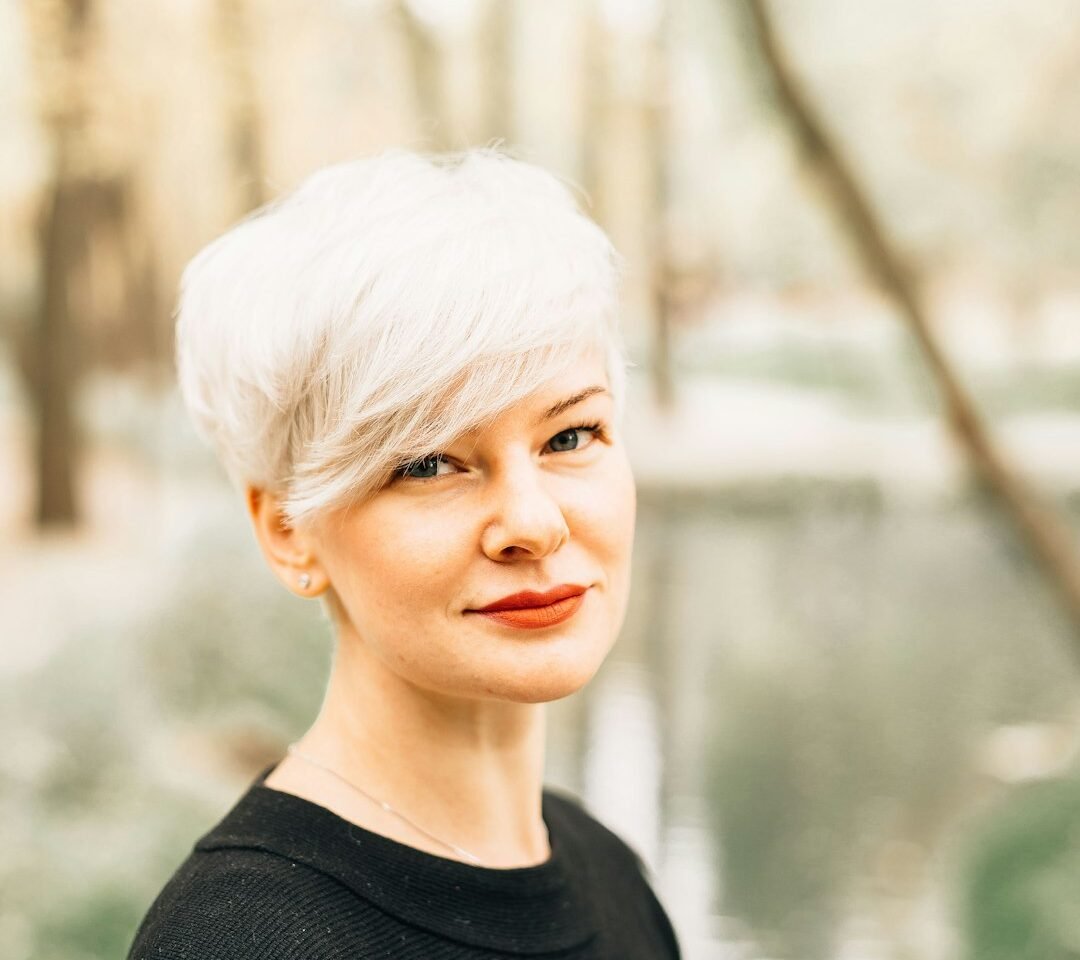
Fine hair and a pixie cut can be an excellent combination, but the success of the haircut usually comes down to restraint. Shorter length can remove weight that drags the hair flat, yet too much thinning or too many tiny layers can leave the ends looking sparse. The aim is not to make fine hair behave like thick hair. It is to place volume where it helps and keep enough weight where it matters.
If you are considering a pixie, look closely at the crown, fringe and perimeter in your reference photos. Those three areas often tell you more about how the cut will behave than the trend name underneath the picture.
What tends to work well on fine hair
Fine strands usually benefit from a clear shape. That may mean keeping a little extra length through the top, using a side-swept or soft fringe to create direction, or leaving the perimeter stronger instead of texturizing every edge. Your natural growth pattern matters too. A crown that lies very flat needs a different plan from hair that already has a slight bend or cowlick.
Before choosing a specific version, compare the broader Pixie Cuts and Fine Hair guides. If you prefer a looser, more textured shape, the Shaggy Pixie guide is also worth a look.
15 pixie cuts for fine hair to compare
1. Soft side-swept pixie
Leaving enough length at the front to sweep across the forehead can make fine hair look fuller without relying on heavy texture. The movement comes from direction rather than lots of short layers, which is often a good trade-off when you want softness around the face.
2. Tapered pixie with a longer top
A neat nape and shorter sides create contrast with the longer crown. That contrast can make the top appear more substantial, especially when the hair is dried with a little root lift instead of pressed flat.
3. Airy pixie with a light fringe
This works best when “airy” means movement, not aggressively thinned ends. A light fringe can soften the front while the rest of the haircut keeps enough structure to avoid looking wispy.
4. Classic textured pixie
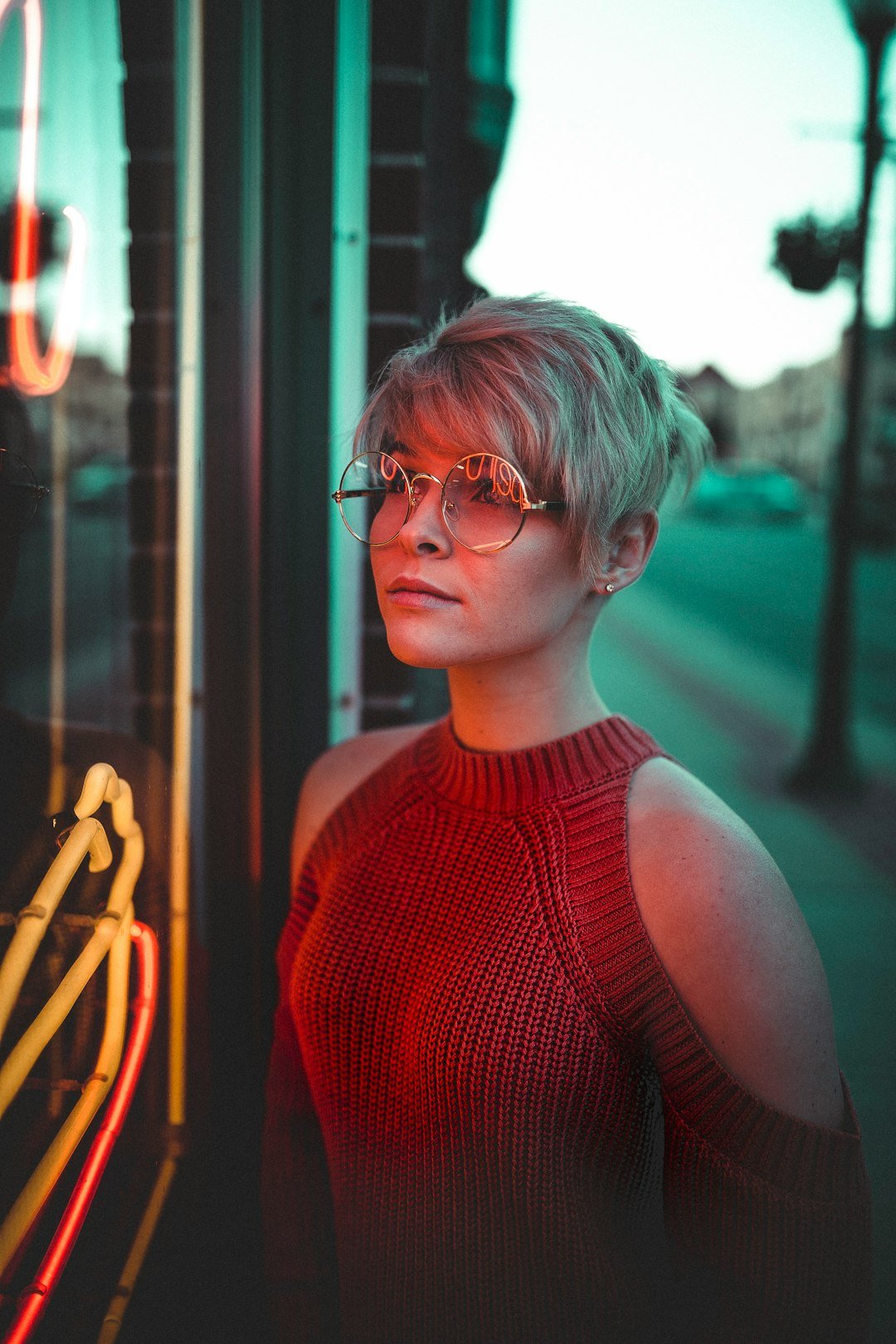
A small amount of separation through the crown can stop fine hair from falling into one flat sheet. The key is selective texture. You should still be able to see a clear silhouette when no product is in the hair.
5. Long pixie with tucked sides
Extra length on top gives you more ways to change the part, tuck one side or create a soft sweep. It is a useful option if you want short hair but are not ready for a very exposed crop.
6. Pixie bob, or bixie
A bixie for fine hair keeps more perimeter than a traditional pixie, which can be helpful when your ends look thin easily. It also gives you a gentler transition if you are cutting down from a bob rather than going very short in one appointment.
7. Pixie with soft crown lift
Instead of adding layers everywhere, this version concentrates movement near the crown. That can be enough to stop the top looking flat while leaving the sides and lower sections visually denser.
8. Choppy fringe pixie
A broken-up fringe brings texture to the front without asking the whole haircut to be choppy. It is a good direction if you like a less polished finish but want to be careful with the amount of thinning elsewhere.

9. Wavy pixie for fine hair
If your fine hair has a natural bend, use it. A slightly longer top can give waves enough room to form, which creates movement without needing to carve extra texture into the cut.
10. Curly pixie with a stronger outline
Fine curly hair can look fuller when the outer shape stays intentional. Shrinkage changes the finished length, so the reference photo matters less than a stylist understanding how your own curl pattern springs back.
11. Asymmetrical pixie
One longer front section can create visual interest without removing more hair. It also gives you somewhere to direct the eye if one side of the hairline or temple area is naturally finer than the other.
12. Rounded pixie
A softer rounded silhouette can make fine straight hair feel less severe than a very tight crop. It is especially useful when you prefer smooth movement over a highly piecey finish.
13. Pixie with longer sideburn pieces
Keeping a little length around the sides can soften the perimeter and make the haircut feel less exposed. These pieces can also connect the fringe to the nape more gracefully as the cut grows out.
14. Low-maintenance pixie for fine hair
Low maintenance should describe your morning routine, not just the photograph. A cut that works with your natural fall and does not need straighteners, curling tools or several products every day is usually easier to live with. Short hair may still need regular trims even when daily styling is simple.
15. Grown-out pixie with soft layers
If you are between a pixie and a bob, the in-between stage can look intentional rather than awkward. Keep useful length at the crown and around the ears, then shape the perimeter as it grows instead of constantly cutting it back.
What to be careful with
Fine hair is not automatically fragile or thin in density, but it can show the effects of over-texturizing quickly. If a stylist proposes a lot of razor work, deep point cutting or thinning shears, ask what problem that technique is solving on your particular hair. You do not need to reject a technique simply because your hair is fine; you do want a reason for using it.
Another common trap is choosing a haircut that only looks full after a round-brush blow-dry. If you normally air-dry, say so. A useful consultation should include how the cut is expected to sit on an ordinary Tuesday morning, not only after a salon finish.
Fine hair vs thin hair
People often use the words interchangeably, but they describe different things. Fine hair refers to the diameter of each strand. Thin hair usually refers to having fewer strands overall or lower density in a particular area. You can have fine hair with plenty of density, coarse strands with low density, or a mixture of both. That distinction matters when deciding how much hair can safely be removed.
How to style a pixie without weighing it down
Start with less product than you think you need. Fine hair can lose movement quickly under heavy waxes, oils or creams. A light mousse, root-lifting spray or small amount of dry texture product may be enough, depending on your hair condition and finish preference.
Drying direction can make a bigger difference than product. Lifting the crown away from its natural fall for a moment, then letting it settle back, often creates more believable volume than coating every section with texturizer.
What to say at the salon
Bring a few references that share the same details rather than three completely different pixies. Then explain what you are noticing: “I like the longer crown,” “I want the fringe soft,” or “I do not want the ends to look thinner.” Those observations give a stylist something practical to adapt.
If you want help putting that into words, use the Stylist Brief. If you are still comparing cut families, the Style Finder can help narrow the field first.
Frequently asked questions
Does a pixie cut make fine hair look thicker?
It can make fine hair look fuller when the cut removes excess weight, keeps a clear outline and places texture strategically. It can also have the opposite effect if too much density is removed.
What pixie is easiest to style on fine hair?
A tapered pixie with some length through the top is often straightforward because the shape provides contrast and the longer section can be swept, lifted or left softer. The easiest version for you still depends on your natural growth pattern.
Should fine hair be heavily layered in a pixie?
Not automatically. Some layering can create lift, but heavy layering can reduce visible density. The right amount depends on how much hair you have and where you need volume.
Can fine wavy hair wear a pixie?
Yes. Natural wave can be an advantage because it creates movement without needing as much cutting or styling texture. Leave enough length for the bend to form.
How often will a pixie need trimming?
That depends on how precise the outline is and how quickly your hair grows. A tightly tapered pixie tends to show growth sooner than a softer, longer version.