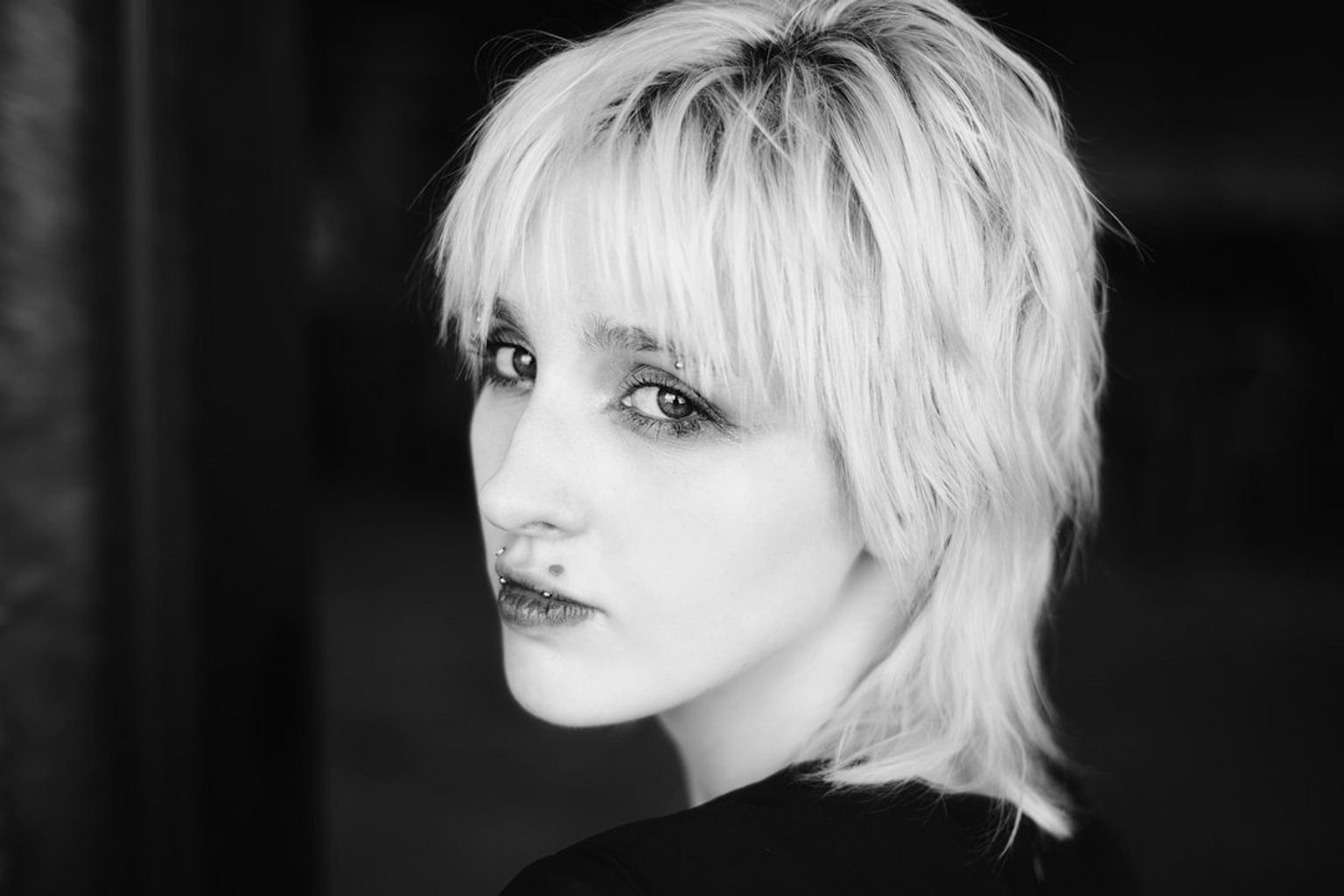
Short hair is not one maintenance level. A pixie, bixie and bob can all sit above the shoulders, yet they behave very differently once you factor in styling time, salon frequency, grow-out and how much length you need around the ears and jaw.
Choose by asking which cut fits your actual week rather than which one is supposedly “best.”
A pixie puts the shape closest to the scalp
A true pixie depends on the relationship between the crown, sides, fringe and nape.
Because the shape is compact, relatively small amounts of growth can change the silhouette quickly. The sides may feel bulky, the nape may start flipping, or the fringe can become too long before the rest of the haircut looks obviously overgrown.
That means pixies can require frequent shape maintenance even when morning styling is very fast.
Browse StyleVeya’s pixie-cut family to compare softer, choppier and longer-fringe versions.
A bixie buys more movement and grow-out room
The bixie keeps some pixie structure while adding bob-like length around the ears, jaw or nape.
That extra length makes it easier to tuck pieces back, air-dry natural texture or let the cut grow without immediately losing all of its shape.
It is often useful for someone who wants short hair but does not want the fully cropped feeling of a pixie.
A bob gives you the strongest perimeter
A bob usually places more visual weight around the lower edge.
That can make fine hair look fuller and can create a cleaner, more architectural shape. The trade-off is that the perimeter may need more deliberate smoothing if your natural texture bends or flips in a direction you do not like.
The StyleVeya bob hub covers blunt, wavy, French, angled and longer versions, because “bob” is a family rather than one exact cut.
Which one needs the most frequent salon visits?
A precise pixie usually shows growth fastest because the shape sits so close to the head.
A bixie often tolerates more growth because the longer layers can move into another recognizable short shape.
A bob can also grow gracefully, although a very geometric blunt bob may lose its exact line sooner than a softer layered one.
If salon frequency matters, ask how the specific version you want is expected to grow—not just whether it is called a pixie, bixie or bob.
Which one is easiest in the morning?
A pixie can be extremely fast if your natural growth pattern cooperates with the cut. A small amount of styling product may be enough.
A bixie usually offers more movement but may need more directing around the ears and front.
A bob may need the most drying or smoothing if your hair naturally flips, expands or bends at the perimeter.
“Short” does not automatically mean “wash and go.”
Fine hair changes the decision
Fine hair often benefits from preserving enough perimeter weight.
A pixie can look full when the crown and top are shaped well, but over-texturizing can expose low density. A bixie needs careful interior layering so the ends do not become thin. A bob often gives the strongest visible lower edge.
StyleVeya’s bixie ideas for fine hair show why layer placement matters.
Thick hair changes the decision differently
Dense hair can make a pixie feel bulky at the sides if the shape is not maintained.
A bixie may need internal weight removal so the longer sides do not expand. A bob may need layering or graduation to prevent the lower half becoming too wide.
For thick hair, the question is usually not whether to remove weight—it is where.
Wavy hair often suits the bixie middle ground
Natural wave can give a bixie movement without much heat styling.
The extra length compared with a pixie allows bends to form, while the shorter length compared with a bob prevents some waves from being stretched flat.
That does not mean every wavy person should choose a bixie. If you dislike hair touching the ears or jaw, a shorter pixie may feel cleaner.
Curly hair needs shrinkage planning
Curly pixies, bixies and bobs all behave differently once dry.
A section that looks jaw-length wet may spring much higher. The shortest layers and fringe should be planned around the dry curl pattern.
If you wear curls naturally, judge the haircut in that state—not only after a salon blowout.
Think about your ears
This sounds minor until you live with the haircut.
A pixie can fully expose the ears. A bixie may sit over or around them. A bob often gives enough length to tuck behind them.
If you wear glasses, earrings, headphones or simply dislike hair sitting on the ears, mention that before choosing the outline.
Think about your nape
A pixie may have a tapered or cropped nape. A bixie often keeps more length there. A bob usually creates a clearer lower perimeter.
If your nape has a strong cowlick, very short hair can stick outward. If you dislike regular nape maintenance, keeping more length may be easier.
Think about fringe separately
All three haircut families can include bangs, but fringe changes the maintenance significantly.
A pixie with long fringe can feel much softer than a short-fringe pixie. A bixie with curtain pieces may resemble a small layered bob. A bob with blunt bangs can require more frequent front trims than the rest of the haircut.
StyleVeya’s bangs and fringe guide can help you decide whether fringe belongs in the cut at all.
Grow-out is where the three cuts differ most
A pixie usually moves through several obvious stages as the sides and nape lengthen.
A bixie can transition into a short bob with fewer dramatic changes because some of that length is already present.
A bob generally preserves a recognizable shape for longer, although it can begin flipping at the shoulders as it grows.
If you know you are likely to grow the cut out within a few months, the bixie or bob may give you an easier path.
If you wear your hair up, a bob gives you the most flexibility
Most pixies cannot tie back. Many bixies can only clip or partially tuck. A longer bob may eventually fit into a small ponytail.
If tie-back ability matters for exercise, work or convenience, include that in the decision before cutting.
Air-drying changes the “easy” option
The haircut that is easiest for someone who blow-dries daily may be different from the one that is easiest for someone who air-dries.
StyleVeya’s air-dry haircut guide explains why natural texture and weight distribution should influence the cut.
A quick routine comparison
| Feature | Pixie | Bixie | Bob |
|---|---|---|---|
| Morning styling | Often quickest | Moderate | Can vary widely |
| Salon shape maintenance | Often most frequent | Moderate | Depends on precision |
| Grow-out flexibility | Several visible stages | Usually smoother | Often easiest |
| Tuck/clip options | Limited | More flexible | Most flexible |
| Perimeter fullness | Least emphasis | Medium | Strongest |
Match the haircut to your actual habits
If you prefer very fast morning styling and do not mind regular trims, a pixie may suit you.
If you want short hair with more movement and a gentler grow-out, a bixie may be the best middle ground.
If you want the strongest perimeter, easier tuckability and more flexibility as the cut grows, a bob may fit better.
Before booking, compare those priorities with StyleVeya’s haircut decision guide or use the Style Finder. The label matters less than how the length, weight and upkeep fit your real routine.