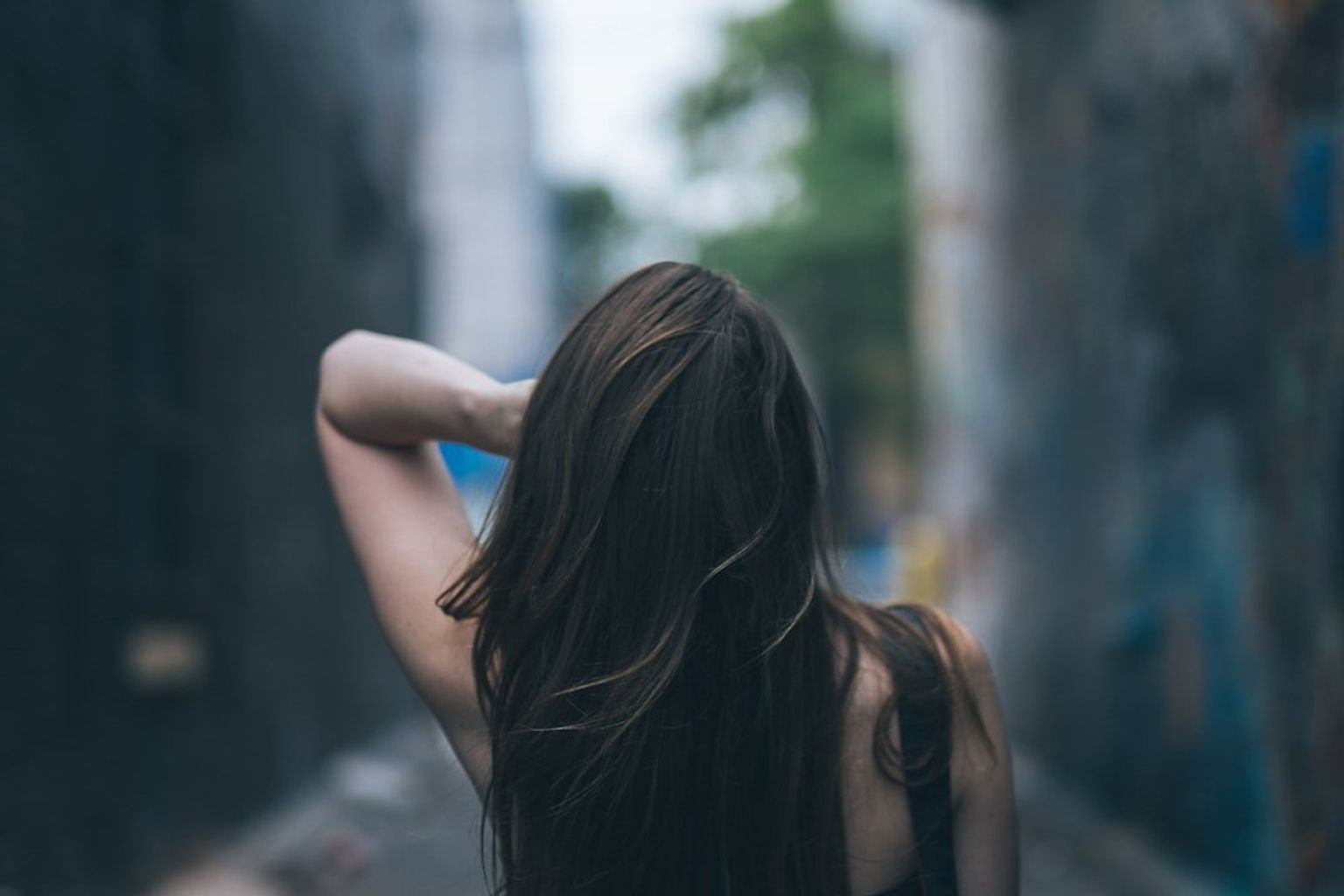
Dark chocolate brunette sits in a narrow zone: deeper and richer than a medium brown, but still visibly brown rather than reading as soft black. The useful work is controlling depth, warmth and shine so the color stays dimensional instead of becoming one solid block.
If you want to compare several deep brunette families first, use the Dark Brunette Hair Color guide. If your main concern is softer grow-out rather than a specific chocolate shade, the Low-Maintenance Brunette Hair Color guide owns that decision instead.
Chocolate brown is not the same as black-brown
A very deep brunette can look almost black indoors, especially if the color is neutral or cool. Chocolate usually has enough warmth or softness to remain visibly brown in natural light.
If you do not want the result to look black, say that explicitly. Bring photos taken in normal daylight, not only highly edited salon images.
Your starting color determines how much work is needed
Going darker can sound straightforward, but previously lightened hair may need missing warm pigment replaced before a deep brunette is applied. Otherwise the color can look hollow, muddy or fade unpredictably.
That is one reason our hair-color reference-photo guide emphasizes starting history, not just the target image.
Dimension can be subtle
You do not need obvious highlights for a dimensional result. Slightly different brown tones through the mid-lengths and ends can stop the hair from looking flat while still reading as one overall brunette shade.
If you prefer a solid color, shine and tonal balance become even more important because there is less visible contrast creating movement.
Warmth should be chosen, not assumed
“Chocolate” can lean neutral, warm, red-brown or even slightly cool depending on the formula and lighting. If you dislike red tones, tell your colorist. If your skin comes alive around warm colors, a subtle cocoa or chestnut undertone may work beautifully.
Compare that with the warmer shades discussed in our fall warm-hair-color guide.
Gloss can change the result as much as the depth
Dark hair shows reflected light clearly. A gloss or toner can make the surface look richer without requiring the base color to be dramatically darker.
This is also where healthy-looking movement matters. Our glossy-hair guide covers how shine can be added without sacrificing texture.
Fine hair can look fuller with the right depth
Darker color can make the outline of the hair appear stronger, but going too uniform can also reduce visible dimension. A small amount of tonal variation can help the hair retain visual movement.
Grey coverage changes the formula conversation
If grey coverage is one of your goals, say so before choosing the reference color. Permanent coverage, blending and demi-permanent glossing behave differently and have different grow-out patterns.
The best “chocolate brunette” formula is the one that also matches your maintenance plan.
Maintenance is often about the roots and shine
Natural brunettes may find the color relatively easy to maintain. Someone starting from blonde or heavily highlighted hair can notice fading and warmer tones much faster.
Ask how often the roots need attention, whether a gloss will be useful between appointments, and what fading should realistically look like.
Do not use darker color to hide damaged ends
Deep color can make hair look visually richer, but it cannot repair split or overly porous ends. If the bottom of the hair is compromised, trimming and conditioning matter as much as the formula.
Set the depth, warmth and maintenance plan before going darker
- Will this still read as brown in natural light?
- Do I need warmth added before going darker?
- Should the color be solid or softly dimensional?
- How will it fade from my current starting shade?
- Would a gloss achieve the richness I want without going as dark?
Decide whether you want darker hair or richer hair
Those are not always the same request. If your brunette already has enough depth but looks dull, a gloss or tonal refresh may create the richness you want without making the base substantially darker.
If the actual natural or colored base is too light for the target, then a deeper formula may be necessary. The consultation should separate tone, shine and depth instead of treating them as one problem.
Previously lightened ends can absorb dark pigment differently
Porous blonde or highlighted ends may grab brunette color more strongly than healthier roots. That can create ends that look darker, cooler or flatter than the upper hair.
A colorist may use different formulas on different zones so the finished brunette looks even without treating every section identically.
Very dark roots can make the mids look lighter by contrast
If the root is taken much darker than the rest of the hair, the mid-lengths may suddenly look lighter even when their color has not changed. That can be useful for dimension, but it can also create an unintended banded effect.
Ask whether the root should match the lengths, stay natural or be slightly deeper rather than assuming a darker root is always better.
Dark brunette can reveal buildup and surface roughness
Deep color reflects light strongly when the surface is smooth. Product buildup, mineral residue and dry ends can make the same shade look dull.
If the hair looks flat even after a fresh color service, the issue may be surface condition rather than insufficient darkness.
Keep future color changes in mind
Going significantly darker can make a later return to blonde or light brunette more complicated. Artificial dark pigment may need to be removed gradually, and warm tones can become visible during the process.
If you are unsure whether you want to stay dark long term, discuss a softer or more temporary route before committing to the deepest permanent option.
Use the Hair Highlights Guide if you want dimension without obvious light pieces
Not all dimension requires bright blonde ribbons. The StyleVeya Hair Highlights Guide explains how subtle highlights, lowlights and blended placement can keep brunette dimensional without changing its overall identity.
Frequently asked questions
Is dark chocolate brunette low maintenance?
It can be for natural brunettes. It may require more maintenance when applied over blonde, highlights or a much lighter natural base.
Will chocolate brown look red?
Not necessarily. Chocolate can be formulated with neutral, warm or cooler balance. Discuss the undertone you want rather than relying on the name alone.
Can I go dark and return to blonde easily?
Usually not. Removing deep artificial pigment can take multiple sessions and may expose warmth, so consider future color plans before making a major darkening change.
Depth should not mean losing dimension: Before the appointment, note whether you want an overall richer result, preserved highlights or a softer root transition in the StyleVeya Stylist Brief.