
Messy short choppy hairstyles combine a compact length with visible separation, movement and intentionally imperfect texture. Ignore the word “messy” and look instead at how the shape, perimeter and layering work with your real density and natural texture.
Add texture without hollowing out the haircut. Fine hair often needs movement in carefully chosen places while keeping enough weight through the ends. Thick hair may need bulk removed more selectively, and wavy or curly hair can create much of the separation on its own.
If you are still comparing cut families, start with Choppy Haircuts and Short Haircuts. Then compare the more specific Pixie Cuts, Shag Haircuts or Bob Haircuts depending on the perimeter you want.
What makes a short haircut look choppy?
A choppy finish usually comes from visible separation between sections rather than one smooth blended surface. That effect can appear in a pixie, bixie, bob or short shag. The visual goal is piecey movement and a less polished surface, but the cutting technique should change with density and texture.
That does not mean every edge has to look jagged. Many strong choppy cuts balance a cleaner neckline or perimeter with more separated texture through the top. When every section is broken up equally, the silhouette can lose structure.
10 messy short choppy hairstyles to compare
1. Choppy pixie with piecey crown
A compact pixie with separated crown sections creates texture without needing a long perimeter. Ask how much movement your density can support before the ends start to look sparse.
2. Soft messy pixie
This keeps the texture relaxed rather than sharply disconnected. It is useful if you like an undone finish but still want the haircut to feel soft around the face.
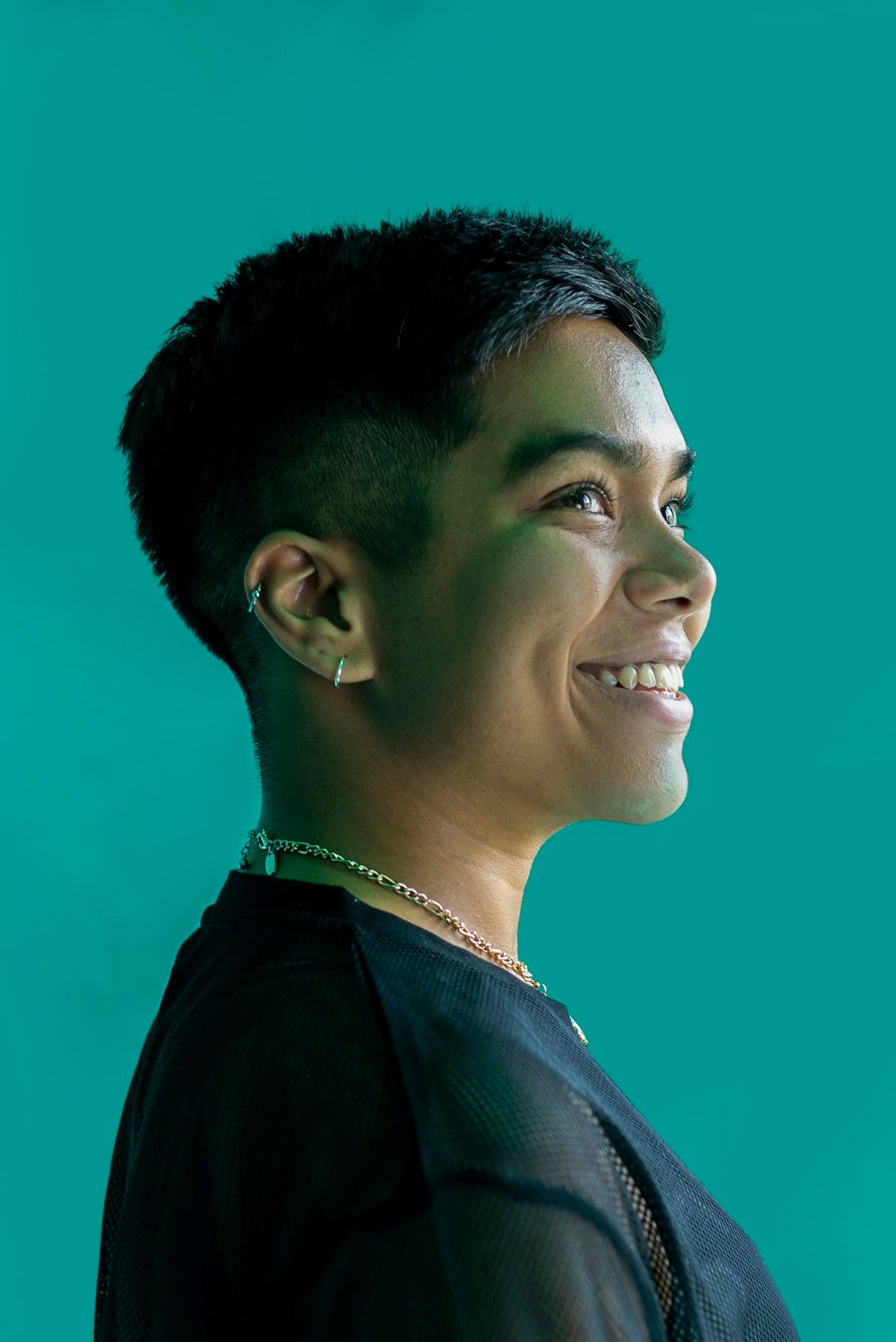
3. Short choppy bob
A stronger bob perimeter can balance visible internal texture. This is worth comparing if you want choppiness but prefer more weight around the ends than a pixie provides. If the outline matters most, compare Bob Haircuts.
4. Choppy bixie
A bixie sits between a pixie and bob, so it can keep extra length around the ears or nape while still supporting piecey texture through the crown. If visible density is a concern, compare Bixie Haircuts for Fine Hair.
5. Short shag with broken-up ends
A short shag emphasizes movement and layered shape. The amount of layering should be adapted carefully for density, especially if your hair already looks fine at the ends. Short Shaggy Haircuts for Fine Hair goes deeper into that balance.
6. Wavy choppy crop
Natural bends can create much of the separation automatically. Ask how the shape will behave when air-dried rather than judging only a salon-styled finish. If your wave pattern is the main driver, compare Short Haircuts for Wavy Hair.
7. Choppy crop for fine hair
Fine hair does not always benefit from aggressive thinning. A stronger perimeter with selective crown movement may create a better balance between texture and visible fullness. If fullness is the main concern, compare Pixie Cuts for Fine Hair.
8. Thick-hair choppy pixie
Higher density can support more internal movement, but removing weight in the wrong place may create bulk elsewhere. Plan the silhouette first, then decide where separation is useful. Thick Hair covers that weight-distribution issue in more detail.
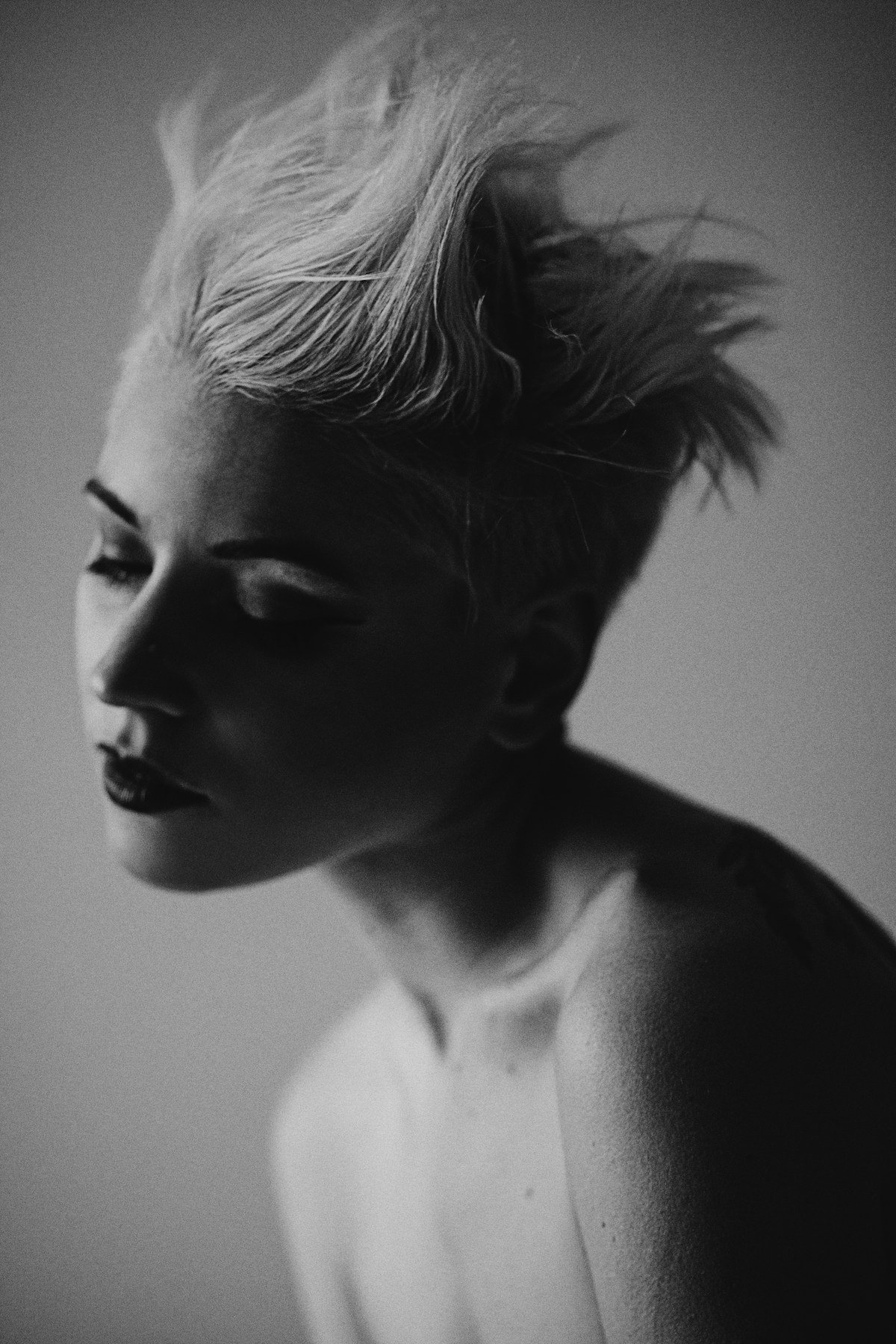
9. Choppy cut with longer fringe
A longer fringe provides styling flexibility and softens a very short outline. It can be worn forward, swept or lightly separated depending on growth direction. Compare Bangs and Fringe Ideas before choosing how much hair to bring forward.
10. Tapered choppy crop
A cleaner nape and side area can make the textured crown feel intentional rather than uncontrolled. This direction is useful when you want contrast between neat edges and messy movement.
Messy does not have to mean high maintenance
A cut designed around your natural texture can look deliberately undone with relatively little daily work. Tell your stylist how you normally dry your hair, how much product you actually use and how many minutes you are willing to spend styling. A haircut that needs heat tools every morning is not low maintenance simply because the finished image looks casual.
If your hair naturally flips, waves or separates in one area, it often makes more sense to build the haircut around that behavior than to fight it every morning. A choppy style should give you some freedom, not create a new list of chores.
Fine hair, thick hair and natural texture need different choppiness
For fine hair, preserving visible weight often matters as much as adding texture. For thick hair, the conversation may focus more on where bulk sits and how to create movement without causing the shape to expand in unwanted areas.
Wavy and curly hair may already create separation as they dry, so extra texturizing should solve a specific problem rather than duplicate movement the hair already has. Straight hair often shows every cut edge more clearly, which makes the perimeter and blend especially important.
Pixie, shag or bob?
If you want the shortest overall footprint, compare Pixie Cuts. If layered movement is the main attraction, explore Shag Haircuts. If you prefer a stronger perimeter and more length, start with Bob Haircuts. Shaggy Pixie Cuts sits between several of these directions.
Plan the neckline, fringe and side length for the grow-out
Short choppy cuts can change character quickly as the nape softens, the ears become covered and the fringe gains weight. A deliberately messy crown may still look good while the lower outline starts to feel bulky, so the next appointment does not always need the same amount removed everywhere.
If you want longer gaps between cuts, avoid making every edge extremely short and precise. Softer side pieces and a longer fringe usually leave more room for ear-tucking, pinning back and transition into a bixie or short bob.
Translate “choppy” into specific cutting choices
- Which parts of this reference create the choppy effect?
- How much layering can my density support?
- What will the cut do when I air-dry it?
- Can we keep enough weight where my hair tends to look thin?
- How will the nape, ears and fringe change as it grows?
- Which areas need texture, and which should stay cleaner?
Use the Style Finder to narrow your direction, then organize the salon conversation with the Stylist Brief.
Frequently asked questions
Are short choppy hairstyles good for fine hair?
They can be, but the amount and placement of layering matter. Fine hair may look better with selective texture and a stronger perimeter than with aggressive thinning throughout.
What is the difference between choppy and shaggy hair?
“Choppy” usually describes visible separation through sections or ends, while “shaggy” more often describes an overall layered silhouette with movement. One haircut can be both.
Can a messy short haircut still look polished?
Yes. A clean perimeter, intentional fringe and controlled silhouette can make textured movement look purposeful rather than unfinished.
Is a choppy haircut automatically low maintenance?
No. A choppy finish can be quick to style when it works with your natural texture, but a version that depends on daily heat tools or heavy product can be demanding. Judge maintenance by your actual routine.