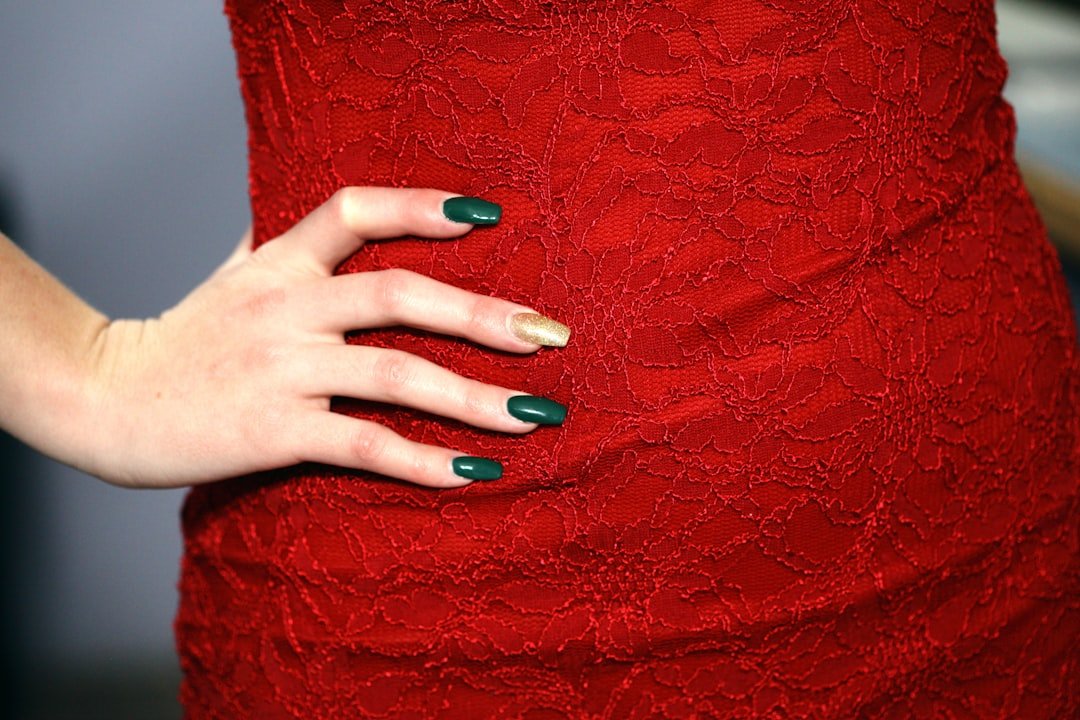
Red is one of the easiest colors to wear on both hands and feet, but matching the two exactly is not the only polished option. A manicure and pedicure can coordinate by undertone, depth or finish without using the same bottle.
Matching is only one option. Decide whether you want the manicure and pedicure connected by undertone, depth, finish or exact color; that choice determines how coordinated the pair will feel.
Exact matching gives the cleanest classic result
If you want a formal, deliberate finish, one red on fingers and toes is hard to beat. The result works especially well with simple nail shapes and a glossy finish because there is already enough visual impact in the color.
Matching also removes one decision when you are preparing for an event or holiday.
Two reds can work when they share an undertone
A blue-red manicure can pair with a deeper wine pedicure. A warm tomato red can sit comfortably with brick or cinnamon-red toes.
What usually feels less intentional is pairing one very cool cherry red with a strongly orange-red shade when there is no other connection between them.
Hands and feet can use different depths
Hands are seen more often and may feel easier in a brighter red, while toes can carry a darker merlot or oxblood for longer wear. That difference can feel seasonal rather than mismatched.
For more fall pedicure options, compare our fall pedicure color guide.
Finish can be the coordinating detail
If the colors differ, keeping both glossy or both softly matte can tie the look together. You can also reverse the idea: same red family, but glossy hands and satin toes for subtle contrast.
Shimmer can work too, but it changes the visual weight. If one set is highly reflective, keep the other simpler unless you want a stronger statement.
Think about how long each will be visible
A pedicure often lasts longer than a manicure. If you change your finger color frequently but leave your toes for several weeks, exact matching may become inconvenient.
In that case, choose a pedicure red that coordinates with several manicure colors rather than only one.
Choose the pedicure for the longer maintenance window
Because toe color often stays in place longer, it can make sense to choose the more versatile red there and let the manicure change around it. A deep wine, classic blue-red or brick can pair with several hand colors without looking accidental.
This approach is useful if you like changing your manicure weekly but prefer a more stable pedicure.
Check both reds in the same light
One red can look cooler under salon lighting and much warmer outdoors. If you are pairing two shades, compare the swatches beside each other in daylight before deciding they clash or match.
Phone photos can also shift red noticeably, so use the real swatches rather than screenshots whenever possible.
Nail shape changes how strong the red appears
A bright red on short round fingernails can look crisp and compact, while the same polish on a longer square nail feels more graphic. Toenails usually present a broader, shorter surface, so identical polish can still look different on hands and feet.
That difference is normal and does not mean the shades need to be changed.
Use one design system if both sets include nail art
If you want art on both hands and feet, repeat one small element rather than duplicating the full design. A fine gold line, one accent nail or the same French edge can connect two different reds without making everything identical.
Matching the design language can be more effective than matching every pigment exactly.
Season and footwear can affect the practical choice
During sandal weather, the pedicure becomes part of the visible outfit more often. In closed-shoe seasons, you may care more about how the manicure coordinates with clothing and jewelry.
Choose which set needs to do more visual work based on how often it will actually be seen. If you want the easiest long-term pairing, choose the pedicure first, then compare future manicure shades against it. That turns the longer-lasting color into the anchor instead of forcing both services to be booked or changed at the same time.
Warm and cool reds behave differently
Cool reds usually lean cherry, cranberry or wine. Warm reds move toward tomato, coral, brick or rust. Neither is universally better; the difference is simply useful when you want the two sets to look related.
If one color feels slightly wrong beside the other, undertone is often the reason.
You do not need to match your outfit
Red nails are already a strong accessory. Instead of trying to mirror a red dress, bag or shoe exactly, choose a shade that sits comfortably with your wardrobe overall.
An exact clothing match can look overly deliberate and may stop working as soon as you change outfits.
Short nails and long nails can carry red differently
On short nails, bright red often looks crisp and graphic. On longer nails, the same color has more visual area and can feel stronger.
If your hands are long and your toenails are short, using slightly different depths can balance the difference without looking mismatched.
Four ways to coordinate hands and feet
- Match exactly if you want a classic, formal look.
- Use the same undertone if you want coordination without duplication.
- Use different depths if you want brighter hands and deeper toes.
- Use different finishes if you want subtle contrast within one red family.
What to ask at the salon
If you are choosing two reds, place the swatches next to each other before application. Ask whether they share a similar undertone and check them in natural light if possible.
Matching is the easiest route, not the only correct one. The most intentional pairings share something clear—undertone, depth or finish—even when the shades are not identical. If you are still unsure, choose the pedicure shade first because it usually stays in place longer, then let the manicure vary around that anchor.
Featured photo by Alexander Grey via Unsplash.