A soft quiff is less about building a tall, fixed structure and more about creating lift at the front while keeping movement through the rest of the haircut. The style works on short crops, bixies and longer pixies when the front has enough length to sweep up and back without turning into spikes.
A soft quiff works as a combination of haircut shape, root direction and flexible hold. Product alone cannot create a convincing result if the front is too short or the sides are carrying too much bulk.
Start with enough length at the front
If the fringe is extremely short, there is not enough hair to bend backward smoothly. A longer front section gives you room to lift the roots, direct the ends away from the forehead and still keep the finish soft.
If you are choosing between short silhouettes, compare our bixie vs bob vs pixie guide and the broader pixie haircut family.
Root direction creates more lift than heavy product
Dry the front in the opposite direction from where it naturally falls, then sweep it back into place. That temporary over-direction creates root lift without needing a large amount of wax or spray.
If your hair naturally falls forward, use your fingers or a small brush to guide the roots upward first. Once the root is set, the ends can stay softer.
Keep the sides quieter
The quiff reads more clearly when the sides are not competing with the front. You do not need to slick them flat, but controlling excess width makes the lifted section look deliberate rather than accidental.
On thick hair, this may mean removing some internal bulk at the sides. On fine hair, it may simply mean keeping the side shape close to the head.
Choose flexible hold rather than stiffness
Heavy wax or strong gel can turn a soft quiff into a rigid crest. A light mousse, flexible paste or small amount of styling cream usually gives enough control while preserving movement.
Apply less than you think you need. Start at the roots or mid-lengths rather than coating the ends, then add a small amount only if the shape collapses.
Fine hair needs lift without weight
Fine hair often benefits from a lighter product and a stronger blow-dry direction. Heavy creams can flatten the front quickly. A small amount of mousse or root-lifting spray is usually easier to control.
If the hair falls flat after an hour, the issue may be product weight rather than lack of hold.
Thick hair may need more shaping before styling
Very dense hair can create too much weight behind the front section. If the quiff keeps collapsing forward, ask whether excess bulk can be removed internally while keeping enough length to create the sweep.
Remove only enough internal bulk for the front to move back without fighting the rest of the haircut.
Natural wave can make the style easier
Slight wave or bend helps the front sit back without looking overworked. Instead of straightening every strand, use the natural movement to create a softer, less formal shape.
Very straight hair may need more root drying. Curly hair can use its natural lift with a looser interpretation rather than trying to copy a smooth pompadour.
Parting can change the quiff before product does
A side part creates a directional sweep and can make the front feel fuller without extra height. An off-center part gives a softer version, while a center part usually makes the style read less like a traditional quiff and more like lifted curtain pieces.
Try the part you naturally wear before adding stronger hold. If the front already wants to move one way, working with that direction is usually faster than forcing a perfectly centered shape.
Second-day styling should be quicker than the first
If the front collapses overnight, refresh only the roots that lost lift. A small amount of water at the hairline and a brief redirection with the dryer can be enough; the rest of the haircut may not need touching.
Adding more paste or wax on top of yesterday’s product can make fine hair heavier and thick hair look coated. Reset direction first, then decide whether any new product is actually necessary.
Glasses and forehead height can change the balance
If you wear glasses, check the front with the frames on. A very tall quiff plus bold frames can create more visual weight around the upper face than you intended, while a softer sweep may feel more balanced.
The same style can also look different depending on how much forehead the lifted front reveals, so judge the height from normal conversation distance rather than only in a close mirror.
Do not overbuild the height
A soft quiff should still look connected to the haircut. If the front becomes much taller than the rest of the shape, it can feel disconnected or overly styled.
For everyday wear, think lift and direction rather than maximum height.
A practical styling sequence
- Start with damp, not soaking-wet, hair.
- Apply a small amount of lightweight product near the roots.
- Dry the front upward and slightly backward.
- Let the hair cool for a few seconds in that position.
- Use your fingers to soften the shape.
- Add a tiny amount of flexible paste only where control is needed.
Before asking for a soft quiff cut
- Is the front long enough to sweep back without becoming spiky?
- Can the sides be kept controlled without looking flat?
- Will this still work when I do not blow-dry it perfectly?
- How should the front grow out between appointments?
When a soft quiff may not feel low-maintenance
If your hairline strongly pushes the front down, if you dislike blow-drying, or if your haircut has a very short fringe, the style may require more effort than it appears to in photos. In that case, a textured crop or side-swept front may give a similar sense of shape with less daily work.
The most modern version looks touchable. You should see lift and direction, but not so much product that the hair appears frozen in place.
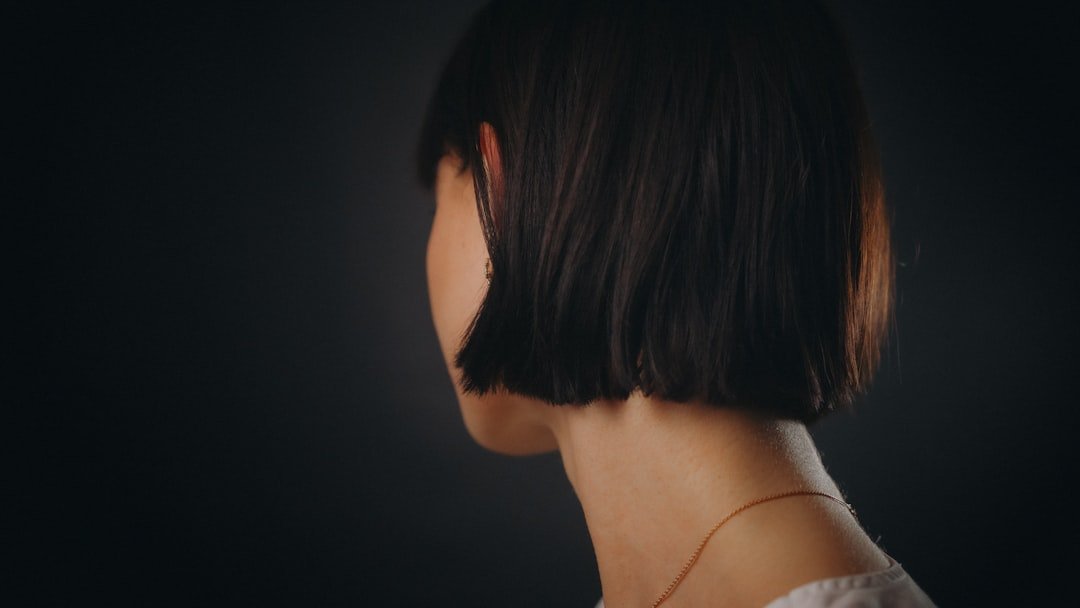
Featured photo by Viktor Bystrov via Unsplash.