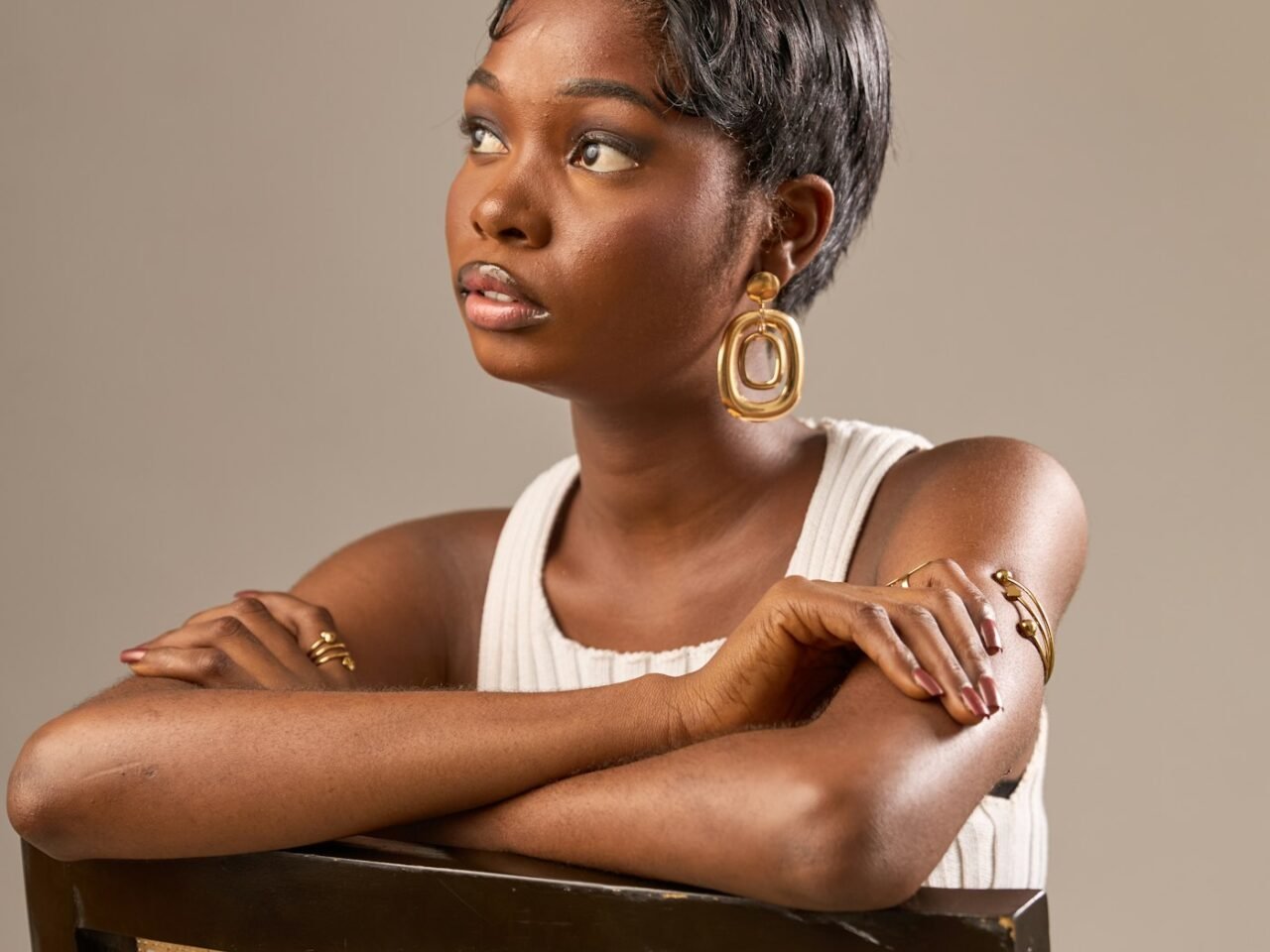
Short shaggy haircuts can be a good match for fine hair, but only when the layering is disciplined. The wrong version can leave the ends wispy and the perimeter see-through; the right one can free up movement, lift the crown and make the haircut feel lighter without making the hair look thinner.
That is why the most useful question is not simply, “Would a shag suit fine hair?” It is, “Where should the movement sit, and where should I keep weight?” Once you look at the cut that way, the difference between a flattering short shag and an over-layered one becomes much easier to understand.
If you are still comparing families, start with our shag haircut guide and fine-hair haircut guide. If you already know you want something shorter and more compact, compare this page with our pixie cuts for fine hair and shaggy pixie ideas.
Before you cut: three things that matter more than the trend name
1. How much density you actually have
Fine hair describes strand diameter, not how many strands you have. Someone can have very fine strands and plenty of density, while another person may have coarser strands but lower overall density. That difference changes how much layering the haircut can comfortably support.
2. Where your hair tends to collapse
If the crown lies flat, a little shorter movement near the top may help. If the ends already look sparse, protecting the lower perimeter may matter more. A short shag does not need the same amount of layering from roots to ends.
3. How you really style your hair
Be realistic about your mornings. A haircut that looks effortless after a round-brush blow-dry may not feel effortless if you usually air-dry. Ask how the shape behaves without a salon finish.
18 short shaggy haircuts for fine hair worth comparing
1. Soft cropped shag with a fuller perimeter
This is a sensible starting point if you like shaggy movement but do not want the ends to look thinned out. The crown can carry the texture while the lower outline stays stronger and cleaner.
2. Short shag with curtain fringe
A parted fringe creates movement around the face without asking the rest of the haircut to do too much. It can work particularly well when the front of the hair has enough length to bend naturally rather than being forced into a stiff split.

3. Airy shag with a compact nape
Keeping the nape neat gives the haircut a clear shape, while lighter layers on top create movement. The contrast helps the cut feel intentional instead of simply grown out.
4. Shaggy bob with guarded ends
If a pixie feels too short, a small shaggy bob can give you movement while preserving more hair around the perimeter. This is often easier to adapt when fine hair looks thinner near the ends.
5. Bixie shag
A bixie sits between a pixie and a bob, so it keeps some length around the ears and nape but still allows texture through the crown. It is useful for anyone who wants a short shape without exposing the entire perimeter.
6. Short wavy shag
Natural wave can do a lot of the styling work for you. Leave enough length for the bend to form, then use the haircut to support the wave rather than cutting in texture that the hair already has.
7. Shag with a side-swept fringe
A side fringe gives direction to fine hair that tends to fall flat. It can also soften a very short outline and create a stronger focal point at the front.
8. Rounded short shag
This version keeps the overall silhouette softer and fuller instead of very spiky or disconnected. It is a good option when you want movement but still prefer the haircut to read as polished.
9. Piecey shag with selective crown texture
Instead of texturizing every section, concentrate separation where it makes a visible difference. Fine hair often looks more substantial when some areas remain smoother and denser.

10. Short shag with wispy fringe
A wispy fringe can lighten the front without making the whole haircut feel thin. The safest version usually keeps the fringe light while preserving enough weight through the sides and crown.
11. Soft wolf-inspired short shag
You can borrow the layered crown and face-framing movement associated with a wolf cut without taking the contrast to an extreme. On fine hair, a softer interpretation is usually easier to live with and easier to grow out.
12. Tapered shag with longer top layers
A shorter nape and sides make the top look more prominent. This can create the impression of extra movement without relying on aggressive thinning.
13. Short curly shag for fine strands
Fine curls need room to spring, so the shape should account for shrinkage. A stronger outer silhouette can keep the haircut from looking too wispy once the curls dry.
14. Chin-skimming mini shag
If you want more perimeter than a pixie or bixie, a chin-skimming shag keeps enough length to feel substantial while still allowing short crown layers and a soft fringe.
15. Grown-out pixie shag
Sometimes the best short shag starts as a pixie that has reached an awkward stage. Instead of cutting everything back, a stylist can shape the extra length into a deliberate transition toward a bixie or short bob.
16. Short shag with a stronger side part
A deeper part can create instant direction and a little natural lift at the root. This works especially well when the haircut itself stays relatively simple.
17. Low-maintenance short shag
For a genuinely low-maintenance version, the cut should cooperate with your natural texture and normal drying method. If the shape only works after curling every section, it is not low maintenance just because the final picture looks casual.
18. Neat-edge shag with messy crown movement
This balance works well if you like texture but still want the haircut to look deliberate. A cleaner neckline and side area can frame a looser, more separated crown without making the whole shape feel untidy.
Which fringe works best with fine hair?
Fringe can add character without removing much density from the rest of the haircut, but the amount of hair borrowed from the crown matters. A soft side fringe is usually the easiest to move around. Curtain fringe adds shape when there is enough length to split naturally. Wispy fringe can feel light and modern, but it should not require taking so much hair forward that the crown looks flatter.
If your hairline has strong cowlicks or the front naturally separates in one direction, work with that rather than fighting it. A good fringe should still make sense on a day when you do not style it perfectly.
Where fine hair can go wrong with a short shag
The biggest risk is confusing texture with removal. More point cutting, more razor work and more thinning do not automatically create more volume. On fine hair, removing too much can make the ends look transparent and force you to use more product just to make the haircut look intentional.
Another warning sign is a reference photo that depends on thick styling product or dramatic heat work. If your routine is simple, ask for a version that still has a recognizable shape after air-drying or a quick rough-dry.
How to style a short shag without flattening fine hair
Start with less product. Fine hair can lose movement quickly under heavy creams, oils and waxes. A light mousse, root-lifting spray or small amount of dry texture product may be enough, depending on your hair condition and finish preference.
Drying direction matters just as much. Lifting the crown away from its usual fall for a few moments, then allowing it to settle back, often creates more believable movement than coating every layer with product. If your hair has a natural wave, scrunching and air-drying may give you more texture than a polished blowout.
Short shag vs shaggy pixie vs shaggy bob
A shaggy pixie keeps the overall footprint shorter and usually exposes more of the ears or nape. A shaggy bob keeps more perimeter and can feel fuller at the ends. A short shag can sit between those two, depending on how much length is kept around the sides and back.
If visible density is your biggest concern, also compare the stronger outlines in our fine-hair pixie guide. If movement is the priority, stay within the broader shag family.
What to ask your stylist
Instead of asking for “lots of layers,” describe the result you want. That gives the stylist room to decide how much layering your density can actually support.
- I want movement at the crown, but I do not want the ends to look thinner.
- I usually air-dry or spend less than ten minutes styling.
- Which parts of this reference are creating the shaggy effect?
- Can we keep more weight through the perimeter?
- How will this shape grow over the next six to eight weeks?
- Where would you avoid thinning on my hair?
If you want to organize those points before an appointment, use the StyleVeya Stylist Brief. If you are still deciding between cut families, the Style Finder can help narrow the shortlist.
Frequently asked questions
Do short shaggy haircuts make fine hair look fuller?
They can create more visible movement and lift when the layers are placed carefully, but they can also make fine hair look thinner if too much weight is removed. The balance between crown texture and perimeter density matters more than the label “shag.”
Is a shaggy bob better than a pixie for fine hair?
Not automatically. A shaggy bob keeps more perimeter, which some people prefer when their ends look sparse. A pixie can remove weight and create stronger contrast. The better option depends on where your hair loses volume and how short you want to go.
Can fine straight hair wear a short shag?
Yes, but straight fine hair may need more deliberate shape because it does not have natural wave to create separation. A clear perimeter and selective layering are often more useful than aggressive texturizing.
What is the easiest short shag to maintain?
Usually the one that works with your natural fall, wave or curl pattern and does not depend on daily heat styling. A slightly softer outline may also tolerate grow-out better than a very precise short perimeter.
Should fine hair be razor cut for a shag?
A razor can be appropriate in some cases, but it is not automatically the best choice for fine hair. Ask what effect the technique is meant to create and how the stylist will preserve density where you need it.