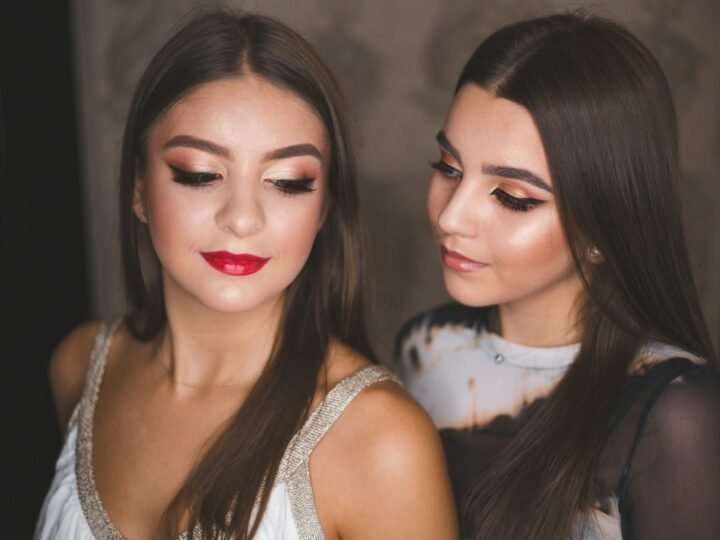
Monochromatic Makeup: One Color Family Without Looking Flat
Monochromatic makeup looks cohesive when one color family varies in depth and finish. Learn how to coordinate eyes, cheeks and lips without flattening the face.
Fresh ideas, practical beauty advice and thoughtful takes on haircuts, hair color, nails and everyday styling.
Explore new trends, maintenance tips, salon guidance and inspiration designed to help you make confident choices without overcomplicating your routine.
Monochromatic makeup looks cohesive when one color family varies in depth and finish. Learn how to coordinate eyes, cheeks and lips without flattening the face.
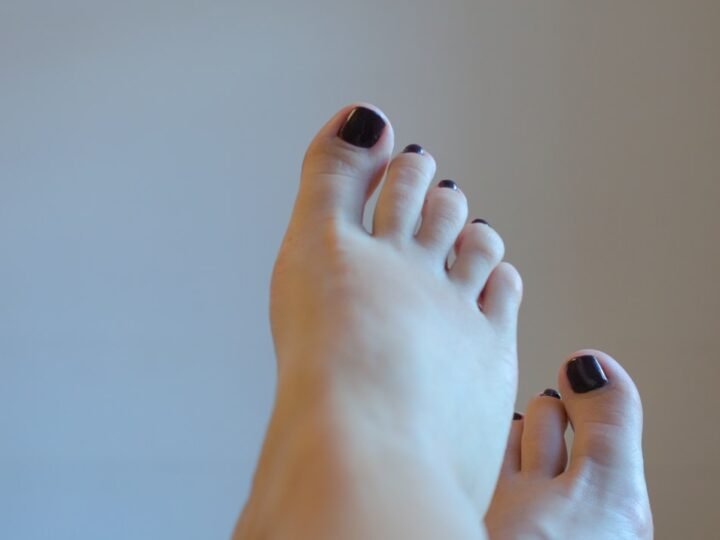
Denim blue, merlot, olive and toasty brown offer four distinct fall pedicure directions. Compare depth, warmth and how each pairs with manicures.

Wavy bangs need room for bend, shrinkage and humidity. Learn how dry length, root direction and texturizing affect the final fringe.
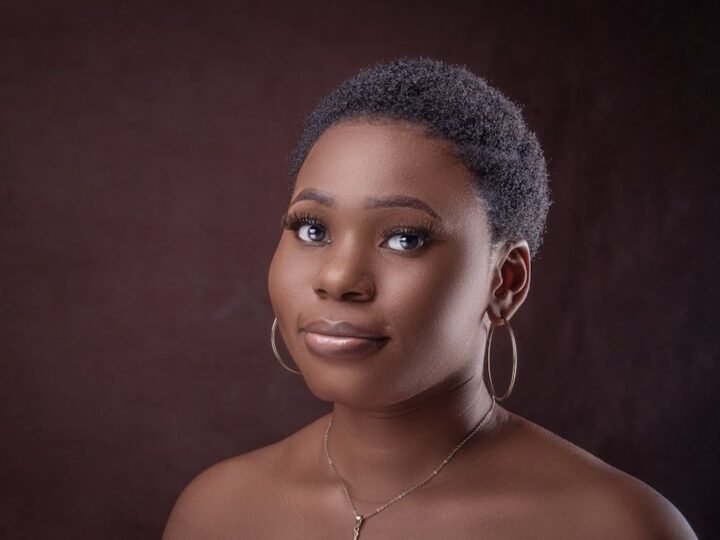
Compare gray blending with full coverage by regrowth line, salon frequency, visible silver and future color flexibility.

Cream and powder blush create different surface finishes. Compare blend, shine, placement and wear to choose the formula that fits your base makeup.

A side or middle part can change volume and face framing without changing the cut. Learn how parting shifts weight and silhouette.
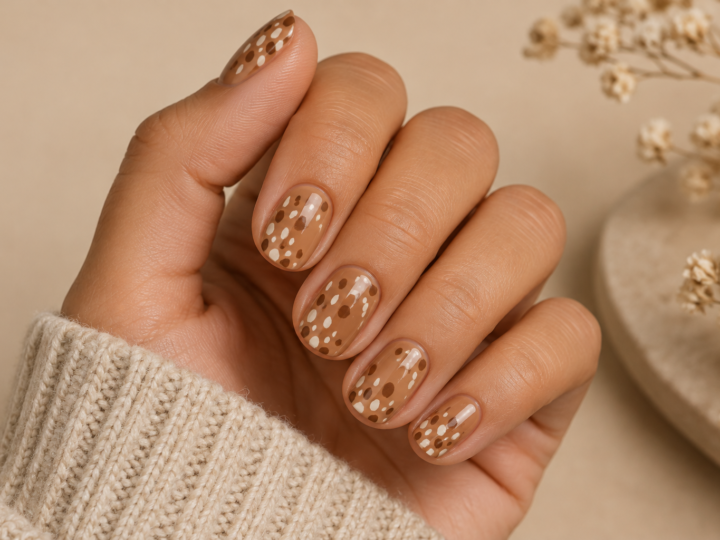
Deer-print nails use warm neutrals and soft irregular spotting. Learn how to scale the pattern, reduce contrast and keep the manicure wearable.
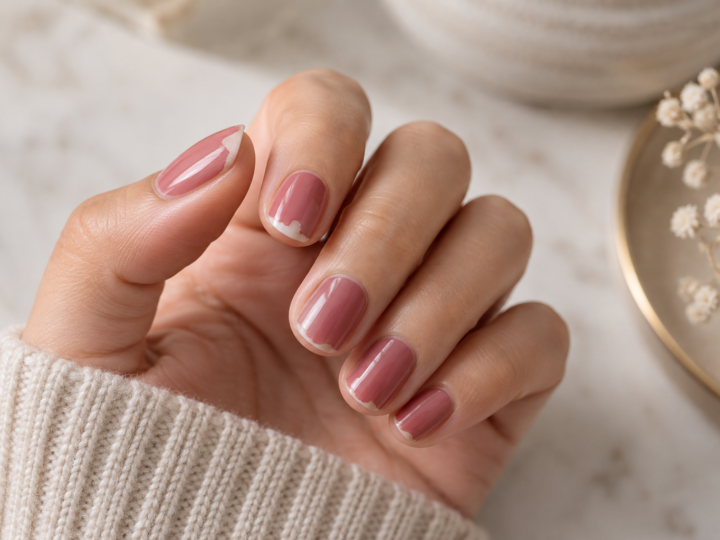
Polish often chips at the free edge before the rest of the manicure looks worn. Nail shape, daily friction, water exposure and how the edge is painted all play a part.
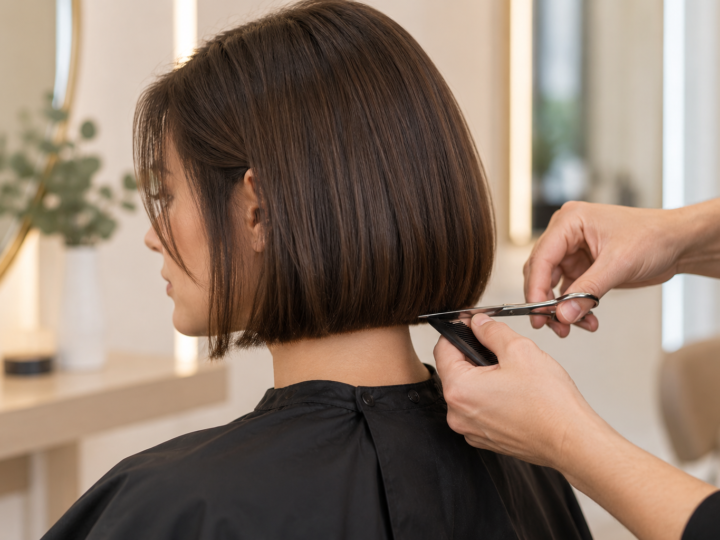
A bob does not need the same trim schedule for everyone. Length, texture, graduation and your grow-out goal all change when the shape actually needs attention.

Brunette color can look cooler on salon day and warmer weeks later. Learn why red, orange and gold reappear, what toning can change, and when more color is not the answer.

Fine hair can lose lift quickly when conditioner is too rich, applied too high or combined with heavy leave-ins. Here’s how to keep softness without sacrificing shape.

Balayage controls where brightness is placed; color melting blends neighboring tones. Learn how the two techniques differ and work together.